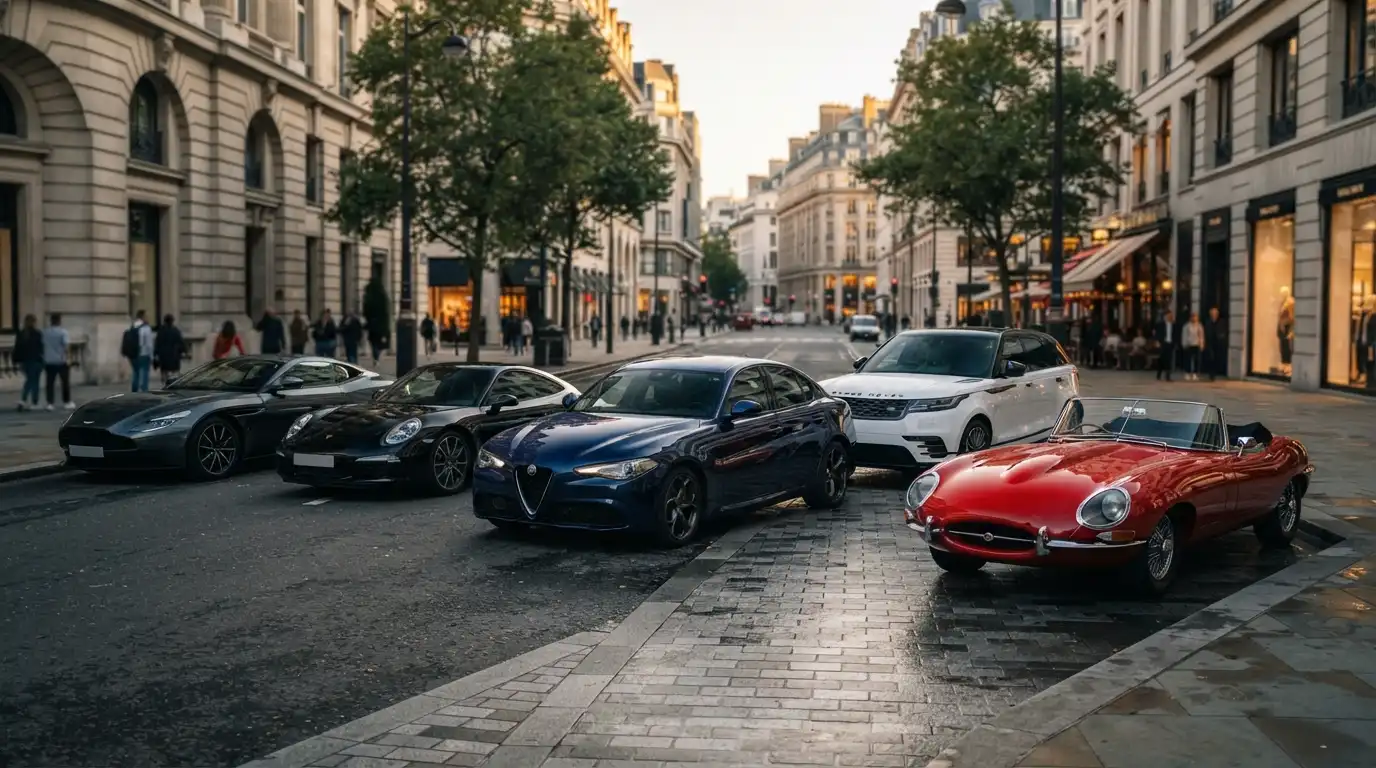
A common synonym for cars include terms like automobile, vehicle, motorcar, ride, and wheels. While “car” refers broadly to a four-wheeled motor vehicle used for passenger transportation, using specific semantic variants improves tone, clarity, and precision across formal, academic, technical, and casual writing contexts.
Imagine standing outside a bustling airport terminal, waiting for your friend to arrive. You pull out your phone and text, “Where is your ride?” Using a varied synonym for cars, like ride, vehicle, or automobile, instantly changes the vibe of your message from formal to casual.
Finding the right synonym for cars brings flavor and vivid imagery to everyday language. Repeating the word “car” over and over in an essay or blog post makes your writing feel monotone and predictable.
Swapping standard words with natural alternatives boosts your vocabulary while sharpening your communication skills. Understanding each synonym helps students excel in academic essays, aids bloggers in crafting rich SEO content, empowers content writers to eliminate repetition, and allows everyday English speakers to express themselves with native-level nuance.
What Does “Car” Really Mean?
Definition and Part of Speech
Car (Noun): A four-wheeled road vehicle powered by an engine or motor, designed primarily to carry a small number of passengers rather than cargo.
Native Speaker Understanding & Emotional Tone
Native speakers view “car” as the neutral, standard baseline term for personal road transport. It carries no inherent emotional bias; it is strictly functional. Depending on context, it can appear in formal news reports, casual conversations, technical manuals, or creative literature.
Connotative Meaning
(Connotation refers to the emotional association, cultural meaning, or secondary feeling that a word invokes beyond its strict literal definition.)
- Positive tone: Terms like fascinating, luxury sedan, or ride imply prestige, speed, comfort, or personal pride.
- Negative tone: Words like clunker, beater, or jalopy invoke images of unreliable, aging, or broken-down transport.
- Neutral tone: Terms like automobile, motor vehicle, or passenger car focus strictly on utility, regulation, or classification without emotional flair.
Etymology & Word History
- Origin: Derived from Anglo-Norman French carre and Old French char, originating from Vulgar Latin carra, which stems from Latin carrum (a two-wheeled baggage cart). Its ultimate root is the Proto-Indo-European *kers- (to run).
- Old English (450–1100): The term was not present in Old English; earlier speakers used words like wægn (wagon or cart).
- Middle English (1100–1500): Entered Middle English as carre, referring generally to wheeled carts, chariots, or heavy horse-drawn wagons.
- Modern English (1500–Present): Shifted in the late 19th and early 20th centuries with the advent of the “horseless carriage,” ultimately becoming the universal term for motorcars.
Pronunciation, Syllables, and Structure
- US Pronunciation: /kɑːr/
- UK Pronunciation: /kɑː/
- Syllables: car (1 syllable)
Affixation Pattern & Root
- Root: Car (base root from Latin carrum)
- Prefix: None
- Suffix: None
Complete Synonyms List
Automobile (Noun) — US: /ˈɔː.t̬ə.moʊ.biːl/ | UK: /ˈɔː.tə.mə.biːl/
- Meaning: A formal, technical term for a passenger motor vehicle powered by an internal engine or electric motor.
- Tone/Register: Formal, Professional, Technical
- Examples:
- The museum restored a rare 1920s automobile to pristine condition.
- Federal regulators updated safety standards for every modern automobile.
Vehicle (Noun) — US: /ˈviː.ə.kəl/ | UK: /ˈvɪə.kəl/
- Meaning: A broad, umbrella term referring to any machine used for transporting people or goods on land.
- Tone/Register: Neutral, Official, Legal
- Examples:
- Law enforcement officers inspected the abandoned vehicle on the highway shoulder.
- Electric vehicle adoption has surged significantly over the past decade.
Motorcar (Noun) — US: /ˈmoʊ.t̬ɚ.kɑːr/ | UK: /ˈməʊ.tə.kɑː/
- Meaning: A traditional, somewhat archaic British term for a private passenger automobile.
- Tone/Register: Formal, Vintage, Literary
- Examples:
- The lord arrived at the estate in an elegant vintage motorcar.
- Classic motorcar enthusiasts gathered at the annual automotive heritage show.
Ride (Noun) — US: /raɪd/ | UK: /raɪd/
- Meaning: An informal term used to refer to a person’s personal car or mode of transportation.
- Tone/Register: Informal, Playful, Casual
- Examples:
- He parked his custom ride right outside the diner.
- Let me know if you need a ride to the concert tonight.
Wheels (Noun) — US: /wiːlz/ | UK: /wiːlz/
- Meaning: A slang term using synecdoche (a part representing the whole) to refer to a car.
- Tone/Register: Slang, Conversational, Informal
- Examples:
- She finally saved up enough money to buy her own set of wheels.
- My old wheels broke down completely on the way home.
Auto (Noun) — US: /ˈɑː.t̬oʊ/ | UK: /ˈɔː.təʊ/
- Meaning: A shortened, casual abbreviation for automobile used commonly in industry or informal talk.
- Tone/Register: Casual, Commercial, Business
- Examples:
- The local mechanic opened a full-service auto repair shop near downtown.
- Auto shows highlight the latest breakthroughs in sustainable engineering.
Sedan (Noun) — US: /səˈdæn/ | UK: /sɪˈdæn/
- Meaning: A specific passenger car body style featuring a closed cabin and separate trunk.
- Tone/Register: Neutral, Specific, Commercial
- Examples:
- The rental company provided a comfortable four-door sedan for our road trip.
- Compact sedan sales remain steady among suburban commuters.
Transport (Noun) — US: /ˈtræn.spoːrt/ | UK: /ˈtræn.spɔːt/
- Meaning: A functional term denoting a means of conveyance or travel system.
- Tone/Register: Formal, Administrative, Technical
- Examples:
- Reliable personal transport is essential for residents in remote rural areas.
- The policy aims to reduce private transport emissions across major cities.
Machine (Noun) — US: /məˈʃiːn/ | UK: /məˈʃiːn/
- Meaning: An informal or stylistic term highlighting the mechanical power or engineering of a car.
- Tone/Register: Creative, Enthusiast, Informal
- Examples:
- The test driver pushed the high-performance machine to its absolute limits.
- Engineers spent three years refining every detail of the new machine.
Clunker (Noun) — US: /ˈklʌŋ.kɚ/ | UK: /ˈklʌŋ.kə/
- Meaning: An informal, derogatory term for an old, worn-out, or unreliable automobile.
- Tone/Register: Informal, Humorous, Negative
- Examples:
- He traded in his noisy old clunker for an efficient hybrid model.
- That clunker barely made it up the steep mountain pass.
Jalopy (Noun) — US: /dʒəˈlɑː.pi/ | UK: /dʒəˈlɒp.i/
- Meaning: A humorous, old-fashioned term for a dilapidated or poorly functioning car.
- Tone/Register: Informal, Vintage, Humorous
- Examples:
- Grandpa still drives his rusty jalopy down to the hardware store every weekend.
- Nobody expected that ancient jalopy to win the parade trophy.
Conveyance (Noun) — US: /kənˈveɪ.əns/ | UK: /kənˈveɪ.əns/
- Meaning: A highly formal, legal, or literary word meaning a means of transportation.
- Tone/Register: Highly Formal, Legal, Academic
- Examples:
- The historical contract restricted motor conveyance within the heritage district.
- She boarded the mechanical conveyance to travel across the country.
Cruiser (Noun) — US: /ˈkruː.zɚ/ | UK: /ˈkruː.zə/
- Meaning: A large, comfortable passenger car designed for smooth highway driving.
- Tone/Register: Casual, Descriptive, Enthusiast
- Examples:
- We took the vintage highway cruiser on a long summer coastal trip.
- The smooth suspension makes this full-size sedan an ideal cruiser.
Beater (Noun) — US: /ˈbiː.t̬ɚ/ | UK: /ˈbiː.tə/
- Meaning: Slang for an inexpensive, heavily used car driven daily to prevent wear on a better vehicle.
- Tone/Register: Slang, Casual, Practical
- Examples:
- He keeps a winter beater to avoid damaging his primary car in heavy snow.
- The dented exterior proved that her daily commuter was a true beater.
Motor (Noun) — US: /ˈmoʊ.t̬ɚ/ | UK: /ˈməʊ.tə/
- Meaning: An informal British English term used colloquially to refer to a car.
- Tone/Register: Informal (UK), Conversational
- Examples:
- He bought a second-hand motor to get to work every morning.
- They parked their new motor right in front of the house.
Coupe (Noun) — US: /kuːp/ | UK: /kuːˈpeɪ/
- Meaning: A two-door passenger car with a closed roof and sleek sporty styling.
- Tone/Register: Specific, Commercial, Enthusiast
- Examples:
- He drove his red sport coupe along the scenic coast road.
- The new coupe model features enhanced aerodynamics and speed.
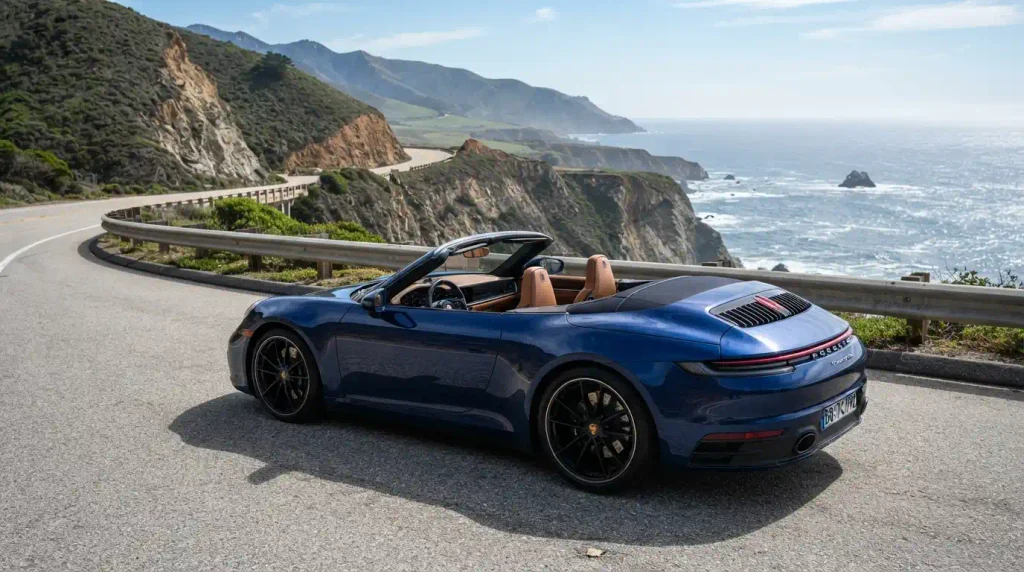
Convertible (Noun) — US: /kənˈvɝː.t̬ə.bəl/ | UK: /kənˈvɝː.tə.bəl/
- Meaning: A passenger car with a soft or hard roof that can be retracted or removed.
- Tone/Register: Specific, Descriptive, Casual
- Examples:
- Driving a convertible on a sunny day feels exhilarating.
- She lowered the roof of her convertible before hitting the highway.
Hatchback (Noun) — US: /ˈhætʃ.bæk/ | UK: /ˈhætʃ.bæk/
- Meaning: A car featuring a rear door that swings upward to provide access to cargo space.
- Tone/Register: Specific, Practical, Commercial
- Examples:
- The compact hatchback is easy to park in crowded city streets.
- They loaded their camping gear into the spacious hatchback.
Crossover (Noun) — US: /ˈkrɑːs.oʊ.vɚ/ | UK: /ˈkrɒs.əʊ.və/
- Meaning: A passenger car built on a unibody platform combining SUV features with car efficiency.
- Tone/Register: Modern, Commercial, Neutral
- Examples:
- Suburban families often choose a crossover for extra cabin space.
- The modern electric crossover offers great battery range and safety.
Roadster (Noun) — US: /ˈroʊd.stɚ/ | UK: /ˈrəʊd.stə/
- Meaning: An open two-seater sports car designed for dynamic driving and high performance.
- Tone/Register: Enthusiast, Descriptive, Sporty
- Examples:
- He took his classic roadster out for a spin in the countryside.
- The vintage roadster attracted attention at the sports car show.
Limousine (Noun) — US: /ˈlɪm.ə.ziːn/ | UK: /ˈlɪm.ə.ziːn/
- Meaning: A large, luxurious passenger vehicle often driven by a professional chauffeur.
- Tone/Register: Formal, Luxury, Prestigious
- Examples:
- The newlyweds left the wedding venue in a stretch limousine.
- VIP guests were escorted to the hotel via private limousine.
Estate (Noun) — US: /ɪˈsteɪt/ | UK: /ɪˈsteɪt/
- Meaning: A British term for a passenger car with an extended body and large rear cargo area.
- Tone/Register: Specific (UK), Practical, Regional
- Examples:
- He loaded his luggage into the back of his family estate.
- The diesel estate car traveled smoothly on the long motorway trip.
Station Wagon (Noun) — US: /ˈsteɪ.ʃən ˌwæɡ.ən/ | UK: /ˈsteɪ.ʃən ˌwæɡ.ən/
- Meaning: An American term for an extended passenger car offering extra rear cargo space.
- Tone/Register: Traditional, Practical, Family
- Examples:
- Our family drove a wood-paneled station wagon throughout the 1990s.
- The station wagon provides plenty of legroom for long journeys.
Buggy (Noun) — US: /ˈbʌɡ.i/ | UK: /ˈbʌɡ.i/
- Meaning: A lightweight passenger car or recreational off-road motor vehicle.
- Tone/Register: Informal, Outdoor, Casual
- Examples:
- They rented a beach buggy to ride across the ocean dunes.
- The lightweight dune buggy zoomed across the open sand.
Hotrod (Noun) — US: /ˈhɑːt.rɑːd/ | UK: /ˈhɒt.rɒd/
- Meaning: A classic automobile modified with a high-performance engine for extra speed.
- Tone/Register: Enthusiast, Subculture, Informal
- Examples:
- Mechanics spent months customizing the vintage 1930s hot rod.
- The roaring hot rod sped down the drag strip during the race.
Supercar (Noun) — US: /ˈsuː.pɚ.kɑːr/ | UK: /ˈsuː.pə.kɑː/
- Meaning: An expensive, high-performance street-legal sports car with high-speed capabilities.
- Tone/Register: Luxury, Enthusiast, Modern
- Examples:
- The sleek Italian supercar reached high speeds on the test track.
- Collectors pay millions for rare supercar models at global auctions.
Hypercar (Noun) — US: /ˈhaɪ.pɚ.kɑːr/ | UK: /ˈhaɪ.pə.kɑː/
- Meaning: A top-tier, ultra-rare supercar offering high-end automotive technology.
- Tone/Register: Exclusive, High-Tech, Premium
- Examples:
- Engineers used lightweight carbon fiber to craft the futuristic hypercar.
- Only twenty units of this electric hypercar were ever produced.
Taxicab (Noun) — US: /ˈtæk.si.kæb/ | UK: /ˈtæk.si.kæb/
- Meaning: A commercial passenger car hired with a driver to transport passengers for a fee.
- Tone/Register: Functional, Public, Practical
- Examples:
- She hailed a yellow taxicab in the middle of downtown traffic.
- The taxicab driver navigated through the busy city streets effortlessly.
Cab (Noun) — US: /kæb/ | UK: /kæb/
- Meaning: A shortened, informal term for a taxicab or hired passenger car.
- Tone/Register: Informal, Everyday, Urban
- Examples:
- We decided to catch a cab back home after dinner.
- The cab dropped us right at the main hotel entrance.
Runabout (Noun) — US: /ˈrʌn.ə.baʊt/ | UK: /ˈrʌn.ə.baʊt/
- Meaning: A small, light, and inexpensive passenger car used for short daily trips.
- Tone/Register: Vintage, Casual, Practical
- Examples:
- She uses a tiny electric runabout for local grocery shopping.
- The early 20th-century runabout was perfect for short city drives.
Lowrider (Noun) — US: /ˈloʊ.raɪ.dɚ/ | UK: /ˈləʊ.raɪ.də/
- Meaning: A custom passenger car with a lowered chassis and adjustable hydraulic suspension.
- Tone/Register: Cultural, Custom, Informal
- Examples:
- The customized lowrider bounced smoothly during the community parade.
- Car enthusiasts admire the intricate paintwork on that classic lowrider.
Dragster (Noun) — US: /ˈdræɡ.stɚ/ | UK: /ˈdræɡ.stə/
- Meaning: A specialized motor vehicle designed specifically for competitive drag racing.
- Tone/Register: Technical, Racing, Specific
- Examples:
- The nitro dragster launched off the starting line with immense acceleration.
- Engineers tuned the dragster engine for maximum straight-line power.
Jalopy-car (Noun) — US: /dʒəˈlɑː.pi kɑːr/ | UK: /dʒəˈlɒp.i kɑː/
- Meaning: A hyphenated variant emphasizing an old, decrepit motor vehicle.
- Tone/Register: Colloquial, Descriptive, Playful
- Examples:
- He drove his rattling jalopy-car down the narrow village path.
- That old jalopy-car makes strange noises whenever it starts up.
Bucket (Noun) — US: /ˈbʌk.ɪt/ | UK: /ˈbʌk.ɪt/
- Meaning: A slang term for an extremely worn-out, rusted automobile.
- Tone/Register: Slang, Highly Informal, Humorous
- Examples:
- I cannot believe he drove that old rust bucket across three states.
- Her first automobile was a total bucket, but it got her to school.
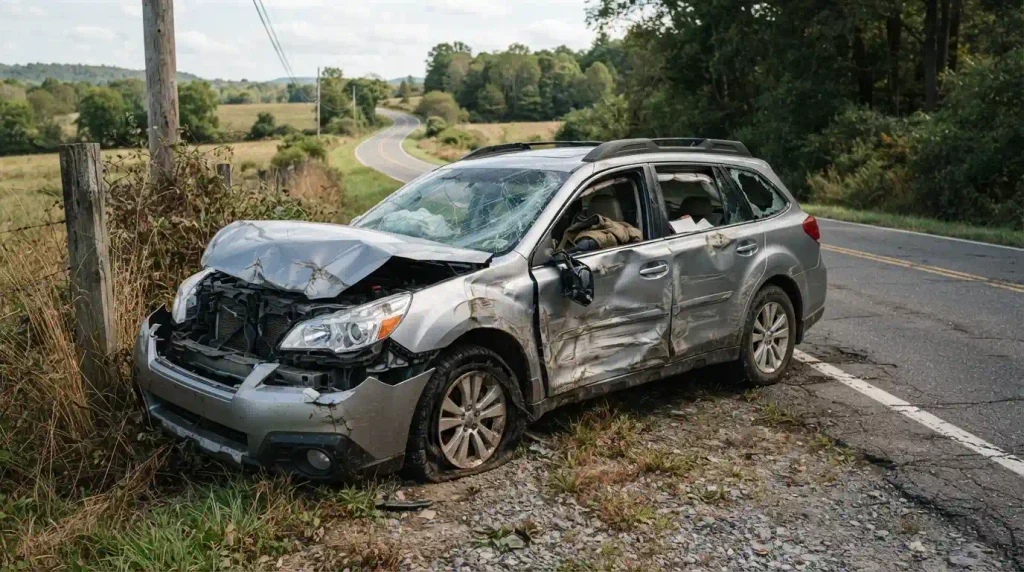
Wreck (Noun) — US: /rek/ | UK: /rek/
- Meaning: An informal term for a severely damaged or non-functional passenger car.
- Tone/Register: Informal, Expressive, Dramatic
- Examples:
- The broken vehicle sat in the yard like a total wreck.
- He bought a damaged wreck and restored it in his spare time.
Crate (Noun) — US: /kreɪt/ | UK: /kreɪt/
- Meaning: Old-fashioned slang for an old, slow, or uncomfortable motor vehicle.
- Tone/Register: Vintage Slang, Humorous, Informal
- Examples:
- How do you expect that slow old crate to get us up the mountain?
- He sold his old crate to a scrap yard for extra cash.
Gas-guzzler (Noun) — US: /ˈɡæsˌɡʌz.lɚ/ | UK: /ˈɡæsˌɡʌz.lə/
- Meaning: An informal term for a large passenger car that uses excessive fuel.
- Tone/Register: Informal, Critical, Environmental
- Examples:
- She swapped her heavy gas-guzzler for an efficient hybrid car.
- High fuel prices make owning a gas-guzzler quite expensive nowadays.
EV (Noun) — US: /ˌiːˈviː/ | UK: /ˌiːˈviː/
- Meaning: An abbreviation for Electric Vehicle, referring to an electrically powered passenger car.
- Tone/Register: Modern, Technical, Business
- Examples:
- The modern EV charging station network is expanding rapidly across cities.
- Drivers appreciate the quiet ride offered by a new battery EV.
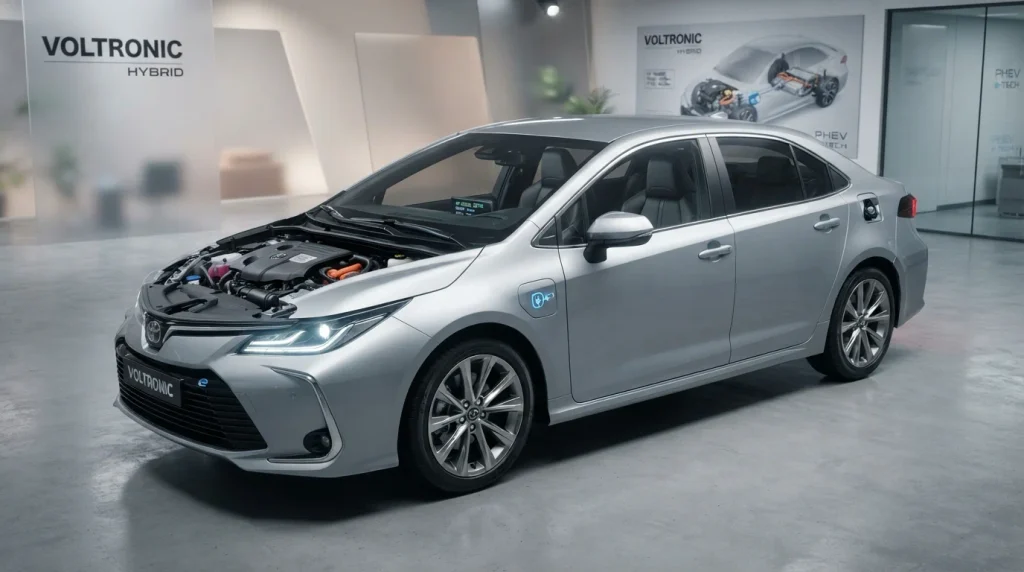
Hybrid (Noun) — US: /ˈhaɪ.brɪd/ | UK: /ˈhaɪ.brɪd/
- Meaning: A passenger car powered by both a gasoline engine and an electric motor.
- Tone/Register: Modern, Eco-Friendly, Technical
- Examples:
- Her hybrid saves a lot of fuel during heavy stop-and-go commuting.
- Automakers continue to refine hybrid power systems for efficiency.
Tourer (Noun) — US: /ˈtʊr.ɚ/ | UK: /ˈtʊə.rə/
- Meaning: An open or spacious passenger car designed for comfortable long-distance road travel.
- Tone/Register: Traditional, Descriptive, Vintage
- Examples:
- The open tourer carried tourists through the historic countryside routes.
- Classic tourer models feature spacious seating and soft leather interiors.
Soft-top (Noun) — US: /ˈsɑːft.tɑːp/ | UK: /ˈsɒft.tɒp/
- Meaning: A passenger car featuring a flexible fabric retractable roof.
- Tone/Register: Casual, Descriptive, Practical
- Examples:
- He folded down the soft-top to enjoy the warm summer sunshine.
- A soft-top passenger car offers an open-air driving experience.
Hardtop (Noun) — US: /ˈhɑːrd.tɑːp/ | UK: /ˈhɑːd.tɒp/
- Meaning: A passenger car featuring a rigid, fixed or removable solid roof.
- Tone/Register: Descriptive, Technical, Classic
- Examples:
- The classic hardtop model provides better cabin noise insulation.
- She preferred buying a hardtop over a canvas convertible.
Off-roader (Noun) — US: /ˌɑːfˈroʊ.dɚ/ | UK: /ˌɒfˈrəʊ.də/
- Meaning: A heavy-duty passenger motor vehicle built for driving on unpaved terrain.
- Tone/Register: Practical, Outdoor, Rugged
- Examples:
- Their rugged off-roader navigated easily through deep mud tracks.
- An all-wheel-drive off-roader is ideal for rocky mountain adventures.
Towncar (Noun) — US: /ˈtaʊn.kɑːr/ | UK: /ˈtaʊn.kɑː/
- Meaning: A luxurious city car, often driven by a chauffeur for urban transport.
- Tone/Register: Formal, Luxury, Business
- Examples:
- The luxury towncar waited outside the terminal for the arriving executive.
- Hiring a town car ensured a comfortable ride across the downtown area.
Motor-vehicle (Noun) — US: /ˈmoʊ.t̬ɚ ˌviː.ə.kəl/ | UK: /ˈməʊ.tə ˌvɪə.kəl/
- Meaning: A formal, hyphenated administrative term covering self-propelled road passenger cars.
- Tone/Register: Administrative, Legal, Formal
- Examples:
- All drivers must keep valid motor-vehicle registration in their glove compartment.
- State laws govern every motor-vehicle operating on public roadways.
Synonyms for “Car” by Tone
Understanding tone ensures you select the correct word for your specific audience. Word choice sets the atmosphere, reflects writer intention, and prevents unintended awkwardness in communication.
Positive and Prestigious Tone
Words in this category highlight comfort, high quality, speed, or admiration. Use them when you want to emphasize style, luxury, or high performance:
- Cruiser: Highlights smooth, comfortable highway driving.
- Supercar: Expresses admiration for extreme speed and high performance.
- Hypercar: Conveys top-tier exclusivity, rare status, and luxury.
- Limousine: Signals high prestige, VIP status, and formal luxury.
Neutral and Descriptive Tone
These standard terms convey clear, objective facts without adding emotional bias. They are versatile and safe for general writing, media reporting, and daily descriptions:
- Vehicle: A standard baseline word for general transportation.
- Sedan: Describes a specific passenger body style accurately.
- Auto: A simple, direct commercial term used widely in industry.
- Hybrid / EV: Technical terms describing modern propulsion systems clearly.
Negative and Critical Tone
These terms convey poor quality, breakdown, old age, or environmental disapproval. Use them in expressive writing or humor to criticize a vehicle:
- Clunker: Highlights a noisy, unreliable, worn-out vehicle.
- Jalopy: A lighthearted term for a broken-down, ancient automobile.
- Bucket / Wreck: Expresses frustration toward a heavily damaged or rusted vehicle.
- Gas-guzzler: Criticizes a large car for consuming excessive fuel.
Playful and Informal Tone
Casual terms for relaxed conversation and spoken communication. They create a friendly, personal connection between speakers:
- Ride: Popular casual term for personal transportation.
- Wheels: A common slang term using part of the car to mean the whole vehicle.
- Cab: Everyday city shorthand for hired transport.
- Motor: Colloquial British term for an everyday personal automobile.
Formal, Legal, and Official Tone
Highly structured words appropriate for official documentation, corporate reports, legal statutes, or academic writing:
- Automobile: The formal standard term for passenger cars.
- Conveyance: Highly formal legal word for travel machinery.
- Motor-vehicle: Administrative term used in registration and legal frameworks.
- Transport: Official word used in urban planning and logistics.
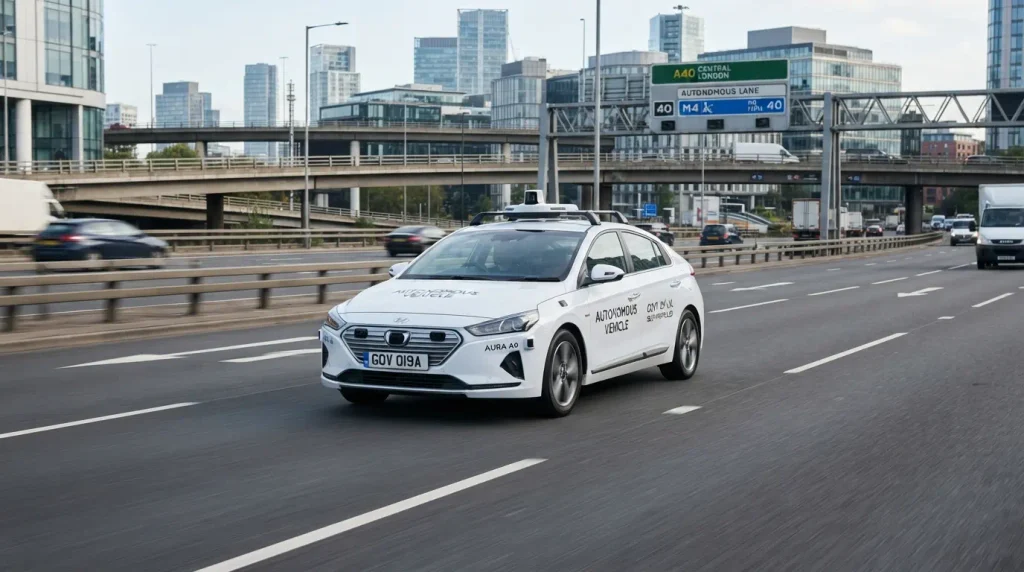
Mini Comparison: Vehicle vs. Automobile vs. Ride
- Vehicle (Neutral / Official): A broad category term that covers cars, trucks, buses, and motorcycles. It is best used in legal documents, traffic news, and police reports.
- Automobile (Formal / Technical): A specific, formal replacement for passenger cars. It works best in academic essays, historical writing, and industrial press releases.
- Ride (Slang / Informal): A relaxed, casual word referring to personal transportation. It fits best in casual text messages, modern fiction, and informal dialogue.
Context-Based Usage
Daily Conversation
In daily dialogue, native speakers favor relaxed, simple terms like car, ride, or wheels. Long words like automobile sound stiff when talking to friends.
Writing or Blogging
Bloggers and web writers mix terms like auto, sedan, or vehicle to prevent word repetition while keeping content engaging and easy to read.
Professional or Academic Tone
Formal reports, safety guidelines, and academic papers rely on automobile, motor vehicle, or conveyance. These terms maintain precision and professional authority.
Creative or Informal Use
Storytellers use evocative words like clunker, cruiser, or machine to build character atmosphere, describe setting details, or show personality.
Common Mistakes & Native Usage
Misuse Scenarios
- Calling any transport an automobile: Do not call motorcycles, trains, or bicycles automobiles. An automobile specifically requires four wheels and a passenger cabin.
- Overusing legal terms in conversation: Saying “I left my phone inside my mechanical conveyance” sounds unnatural in modern dialogue.
- Using slang in formal contexts: Writing “The CEO arrived in a cool ride” inside an executive annual report violates professional tone standards.
Register Notes
For formal academic and corporate writing, stick strictly to automobile or vehicle. Reserve slang like beater, wheels, and ride for spoken banter or informal creative fiction.
Real-Life Mini Scenarios
Workplace
In a corporate expense report, an employee writes: “Reimbursement requested for private automobile mileage during the regional sales client visit.”
Social Situations
While planning a weekend beach trip, a friend texts the group chat: “I can drive four people if everyone hops into my ride by 8:00 AM.”
Media / Pop Culture
A news anchor covering a highway update announces: “Traffic authorities cleared the stalled vehicle blocking the northbound center lane.”
Creative Storytelling
A novelist sets a dramatic scene: “The engine sputtered as the rusted jalopy slowly dragged itself across the desolate desert highway.”
Practice Quiz: Master Auto Vocabulary
- Which term is most appropriate for an official police report regarding a highway accident?
- A) Ride
- B) Vehicle
- C) Wheels
- D) Jalopy
- If a character in a story drives an old, unsafe, broken-down car, which word best describes it?
- A) Conveyance
- B) Cruiser
- C) Clunker
- D) Automobile
- In formal academic writing, which term serves as the most accurate direct replacement for “car”?
- A) Motor
- B) Beater
- C) Automobile
- D) Ride
- Which option is an example of slang using synecdoche?
- A) Sedan
- B) Wheels
- C) Transport
- D) Auto
- Select the most suitable word for a modern automobile company press release:
- A) Jalopy
- B) Vehicle
- C) Beater
- D) Motorcar
- Which word carries a British informal register?
- A) Motor
- B) Sedan
- C) Auto
- D) Conveyance
- What is the correct term for a comfortable, large sedan built for long travel?
- A) Clunker
- B) Cruiser
- C) Conveyance
- D) Beater
- Which term is the broadest in scope?
- A) Sedan
- B) Automobile
- C) Vehicle
- D) Motorcar
- Identify the highly formal, legal term for transportation:
- A) Conveyance
- B) Ride
- C) Wheels
- D) Auto
- Which term is best suited for an informal text to a close friend?
- A) Conveyance
- B) Motor vehicle
- C) Ride
- D) Automobile
Application Task
Write one original sentence about a memorable road trip using at least one informal synonym and one formal synonym correctly in context.
Answer Key: 1: B | 2: C | 3: C | 4: B | 5: B | 6: A | 7: B | 8: C | 9: A | 10: C
Frequently Asked Questions
1. What is the most formal synonym for cars in official documents?
The most formal synonym for cars in official, legal, or administrative documents is automobile or motor vehicle. These terms offer precise technical meaning without casual emotional connotations. They appear frequently in insurance contracts, legal statutes, police records, and corporate policy manuals.
2. Is “vehicle” always an exact synonym for cars?
No, vehicle is a broader umbrella term rather than an exact synonym. Every car is a vehicle, but not every vehicle is a car. The word vehicle also encompasses trucks, buses, motorcycles, trains, and bicycles. Use it when you need a general category term.
3. What slang words can I use for cars in casual conversation?
Popular informal slang words for cars include ride, wheels, and beater. Ride and wheels refer casually to any personal car, whereas beater specifically describes an inexpensive, older car used for daily errands to avoid damaging a primary vehicle.
4. What is the historical origin of the word car?
The word car comes from the Anglo-Norman French carre and the Latin carrum, which originally meant a two-wheeled baggage cart. It shares an ancient Proto-Indo-European root meaning “to run.” In the late 19th century, speakers adapted it to describe modern motor-driven passenger vehicles.
5. Why should writers use synonyms for cars in SEO content?
Using semantic variations like automobile, auto, and motor vehicle prevents repetitive writing while expanding keyword coverage for search engines. Semantic richness improves content readability, satisfies Answer Engine Optimization (AEO) requirements, and signals authority to readers and algorithms alike.
Conclusion
Expanding your range of expression transforms flat writing into clear, engaging communication. Learning a versatile synonym for cars gives you the flexibility to adapt your tone across academic, business, and casual spaces seamlessly.
Whether you write essays, draft professional emails, or craft captivating fiction, picking the exact right synonym for cars makes your message stick. Replacing overused terms keeps your audience focused and intrigued.
Try integrating two or three options from this synonym for cars list into your conversations or writing practice today. Notice how a single word swap elevates your expression and sharpens your native English fluency.

Sawera Rani is the founder and content creator behind VocabularyFinder.com, a platform designed to help learners improve their English vocabulary simply and effectively. With a passion for language learning, Sawera Rani creates easy-to-understand vocabulary guides, word meanings, definitions, and practical examples that make learning new words easier. She aims to provide useful and reliable resources for students, professionals, and English learners who want to improve their communication skills. Through VocabularyFinder.com, she focuses on making vocabulary learning more accessible, engaging, and helpful for everyday use.