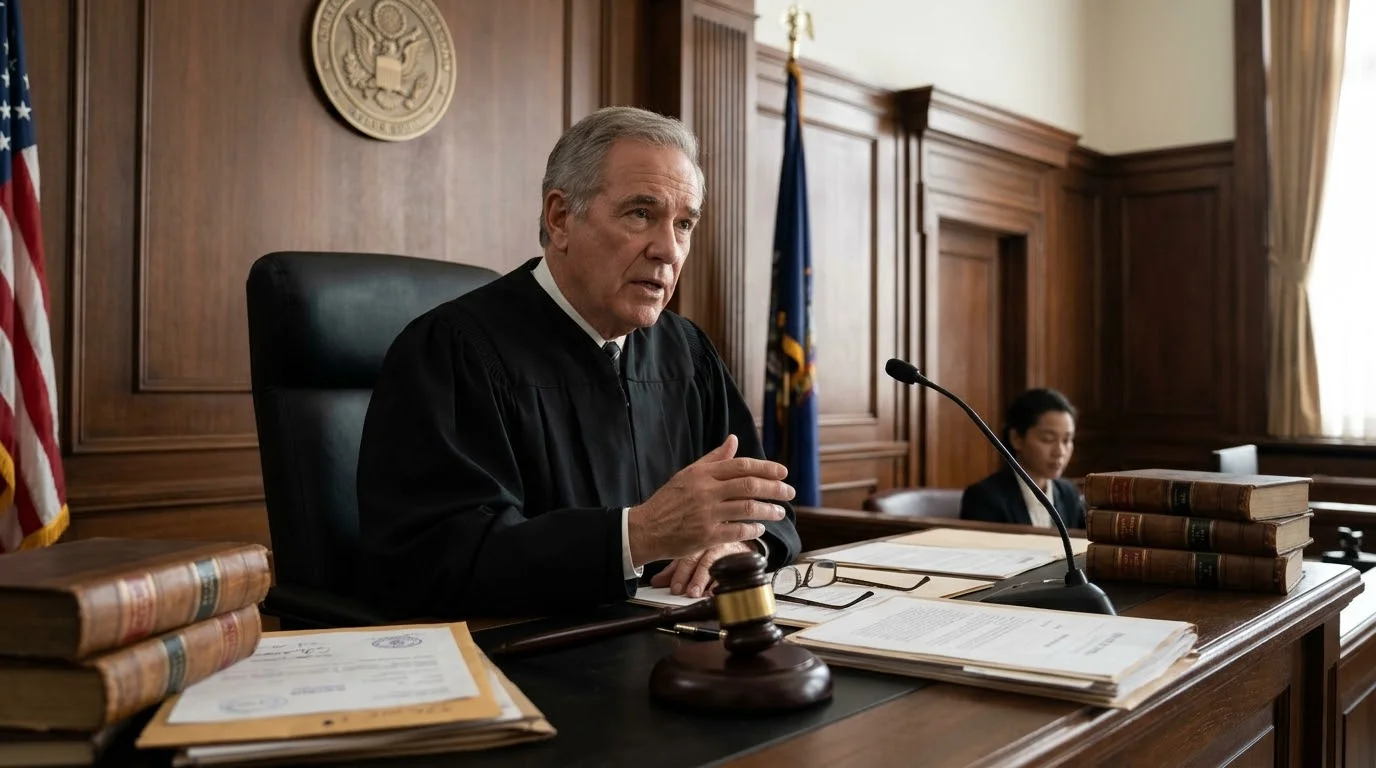
A synonym for criminalize include terms like outlaw, ban, outlawing, proscribe, illegalize, penalize, or stigmatize, depending on whether the legal framework imposes formal statutory penalties or social disapproval. Choices range from formal legal verbs like proscribe to common policy descriptors like outlaw.
A synonym for criminalize helps you describe legislative bans and legal restrictions without relying on repetitive phrases. Imagine writing an essay about shifting public health policies across cities. Describing a new municipal law that seeks to outlaw public smoking sounds far more precise than repeating simple words.
Using a precise synonym for criminalize sharpens your descriptive writing across legal briefs, political blogs, and academic papers. For example, replacing basic phrases with terms like proscribe or penalize highlights your exact legal meaning immediately.
Finding a versatile synonym for criminalize benefits students, bloggers, legal writers, and daily English communicators. Expanding your legal vocabulary ensures your prose remains authoritative, engaging, and clear across every context.
What Does “Criminalize” Really Mean?
Criminalize means to turn an action into a criminal offense by passing laws or to treat someone as a criminal.
In English, it functions primarily as a transitive verb (the government decided to criminalize wage theft).
Part of Speech: Verb
Definition: To make an action illegal or punishable by law, or to treat an activity as a crime.
Connotative Meaning
(Connotation is the emotional feeling or cultural association that a word carries beyond its literal dictionary definition.)
- Positive tone: Implies public protection, upholding justice, and maintaining social safety through sound legislation.
- Negative tone: Suggests state overreach, harsh oppression, unfair persecution, or excessive social control.
- Neutral tone: Simply describes formal legislative action that classifies an activity as a legal offense.
Etymology and Syllables
The word combines the adjective criminal (derived from Latin criminalis, meaning about a crime) with the verbal suffix -ize.
- Old English (450–1100): Early Anglo-Saxon law used native terms like forbeodan (to forbid) or utlahian (to outlaw).
- Middle English (1100–1500): Anglo-Norman courts adopted criminel from Latin crimen (judicial charge or guilt).
- Modern English (1500–Present): Formed during the late 19th century to describe formal legislative acts creating criminal statutes.
Pronunciation (IPA):
- US: /ˈkrɪm.ə.nə.laɪz/
- UK: /ˈkrɪm.ɪ.nəl.aɪz/
Syllables: crim-i-nal-ize
- Root: Crim (from Latin crimen, meaning judgment or crime)
- Prefix: None
- Suffix: -ize (verb suffix meaning to make or turn into)
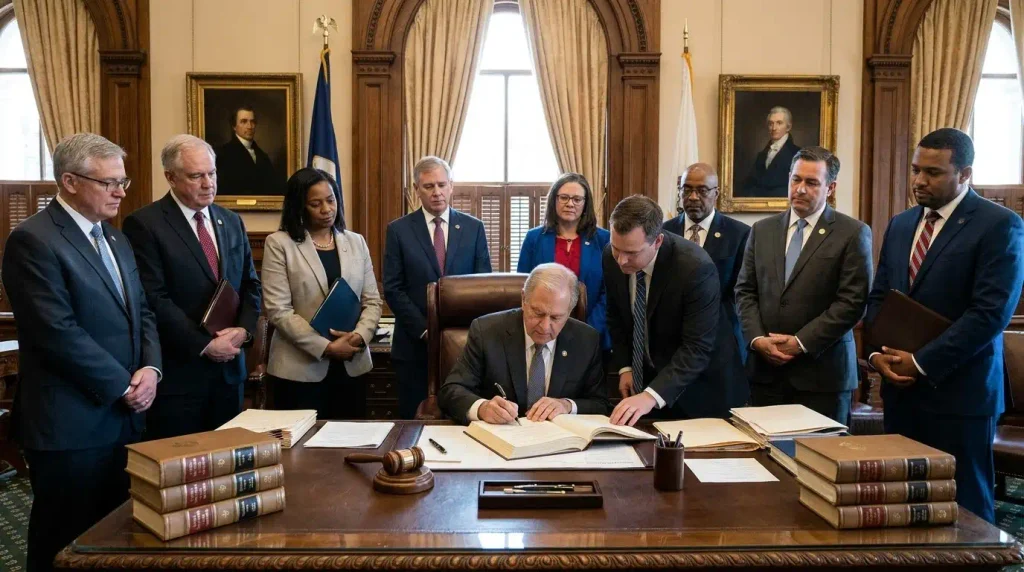
Comprehensive List of 45 Synonyms
Outlaw (Verb / Noun) — US: /ˈaʊt.lɑː/ | UK: /ˈaʊt.lɔː/
Meaning: To make an activity completely illegal by official decree or statute.
Tone/Register: Formal, Legal, Direct
Examples:
Parliament voted to outlaw single-use plastic bags across the country.
The city council moved to outlaw parking near fire hydrants.
Ban (Verb / Noun) — US: /bæn/ | UK: /bæn/
Meaning: To officially prohibit or forbid something from happening or being used.
Tone/Register: General, Everyday, Policy
Examples:
School administrators decided to ban smartphones inside classrooms.
The government imposed a strict ban on importing foreign timber.
Proscribe (Verb) — US: /prəˈskraɪb/ | UK: /prəˈskraɪb/
Meaning: To formally forbid an action by law or official authority.
Tone/Register: High Legal, Academic, Formal
Examples:
The constitution explicitly proscribes discrimination based on age.
International treaties proscribe the use of chemical weapons.
Illegalize (Verb) — US: /ɪˈliː.ɡəl.aɪz/ | UK: /ɪˈliː.ɡəl.aɪz/
Meaning: To render an activity or substance unlawful by legislative mandate.
Tone/Register: Formal, Legal
Examples:
The state legislature acted quickly to illegalize the unregulated chemical compound.
Lawmakers sought to illegalize unannounced structural alterations to public buildings.
Penalize (Verb) — US: /ˈpiː.nəl.aɪz/ | UK: /ˈpiː.nəl.aɪz/
Meaning: To subject a person or action to a formal punishment or financial fine.
Tone/Register: Standard, Administrative, Regulatory
Examples:
Tax authorities penalize companies that submit annual filings late.
The referee chose to penalize the team for a foul.
Forbid (Verb) — US: /fɚˈbɪd/ | UK: /fəˈbɪd/
Meaning: To order someone not to do something or to refuse permission for an action.
Tone/Register: General, Everyday, Personal
Examples:
Park regulations forbid feeding wildlife along the walking trails.
Her doctor decided to forbid heavy exercise during her recovery.
Prohibit (Verb) — US: /prəˈhɪb.ɪt/ | UK: /prəˈhɪb.ɪt/
Meaning: To formally forbid an action through rules, regulations, or statutory laws.
Tone/Register: Formal, Official, Regulatory
Examples:
Building codes strictly prohibit open fires near storage tanks.
The contract terms prohibit employees from sharing private internal data.
Bar (Verb) — US: /bɑːr/ | UK: /bɑː/
Meaning: To prevent or exclude someone from taking part in an activity officially.
Tone/Register: Standard, Legal, Direct
Examples:
The commission voted to bar the disgraced executive from corporate boards.
New rules bar unaccredited journalists from attending press briefings.
Interdict (Verb / Noun) — US: /ˌɪn.t̬ɚˈdɪkt/ | UK: /ˌɪn.təˈdɪkt/
Meaning: To prohibit an action or intercept illegal goods by formal decree.
Tone/Register: High Legal, Military, Formal
Examples:
Coast Guard vessels interdicted illegal cargo ships in international waters.
The court issued an interdict stopping construction work near the river.
Criminalise (Verb – UK Spelling) — US: /ˈkrɪm.ə.nə.laɪz/ | UK: /ˈkrɪm.ɪ.nəl.aɪz/
Meaning: To make an act illegal under British legal spelling conventions.
Tone/Register: Formal, British English, Legal
Examples:
British lawmakers voted to criminalise public fraud schemes online.
The bill aims to criminalise secondary boycotts across transport sectors.
Deem illegal (Verb Phrase) — US: /diːm ɪˈliː.ɡəl/
Meaning: To judge or classify an activity as contrary to statutory law.
Tone/Register: Legal, Judicial
Examples:
The Supreme Court may deem illegal any executive order violating rights.
Inspectors deem illegal any commercial building operating without fire exits.
Make unlawful (Verb Phrase) — US: /meɪk ʌnˈlɑː.fəl/
Meaning: To pass legislation that converts a permitted action into a legal breach.
Tone/Register: Formal, Legislative
Examples:
The new act will make unlawful any unauthorized financial transfers.
City ordinance changes make the dumping of electronic waste unlawful.

Condemn (Verb) — US: /kənˈdem/ | UK: /kənˈdem/
Meaning: To express complete disapproval of an action, often leading to legal penalties.
Tone/Register: Moral, Political, Formal
Examples:
Human rights groups unite to condemn arbitrary arrests of activists.
The committee met to condemn corporate safety violations.
Stigmatize (Verb) — US: /ˈstɪɡ.mə.taɪz/ | UK: /ˈstɪɡ.mə.taɪz/
Meaning: To treat an activity or group with strong social disapproval or shame.
Tone/Register: Sociological, Academic
Examples:
Public health campaigns should inform citizens rather than stigmatize victims.
Overly harsh laws often stigmatize minor offenses unnecessarily.
Prosecute (Verb) — US: /ˈprɑː.sə.kjuːt/ | UK: /ˈprɒs.ɪ.kjuːt/
Meaning: To initiate legal proceedings against a person for a statutory crime.
Tone/Register: Legal, Courtroom, Official
Examples:
District attorneys will prosecute corporate tax fraud aggressively.
Authorities plan to prosecute trespassers entering military sites.
Punish (Verb) — US: /ˈpʌn.ɪʃ/ | UK: /ˈpʌn.ɪʃ/
Meaning: To inflict a penalty or painful consequence on someone for a wrong deed.
Tone/Register: General, Moral, Everyday
Examples:
The court decided to punish the offender with mandatory community service.
Laws exist to punish those who harm public infrastructure.
Redlist (Verb / Noun) — US: /ˈblæk.lɪst/ | UK: /ˈblæk.lɪst/
Meaning: To put a person or firm on a list of barred or restricted entities.
Tone/Register: Business, Political
Examples:
The government agreed to redlist vendors caught inflating material costs.
Trade agencies fine ships that dump oil into coastal waters.
Disallow (Verb) — US: /ˌdɪs.əˈlaʊ/ | UK: /ˌdɪs.əˈlaʊ/
Meaning: To refuse to accept or allow an action legally or officially.
Tone/Register: Administrative, Legal
Examples:
The auditor moved to disallow improper business expenses on tax returns.
Judges often disallow evidence collected without a proper search warrant.
Enjoin (Verb) — US: /ɪnˈdʒɔɪn/ | UK: /ɪnˈdʒɔɪn/
Meaning: To issue a court order prohibiting a party from performing a specific act.
Tone/Register: Legal, Formal, Judicial
Examples:
The federal court moved to enjoin the company from merging with rivals.
Lawyers sought an injunction to enjoin further land clearing operations.
Outlawize (Verb) — US: /ˈaʊt.lɑː.aɪz/ | UK: /ˈaʊt.lɔː.aɪz/
Meaning: To turn an activity into an outlawed or non-sanctioned practice.
Tone/Register: Rare, Legal Neologism
Examples:
Legal scholars debated whether to outlawize shadow banking practices.
The proposal aimed to outlawize unverified digital trading platforms.
Restrict (Verb) — US: /rɪˈstrɪkt/ | UK: /rɪˈstrɪkt/
Meaning: To place definitive boundaries or limits on an activity or behavior.
Tone/Register: General, Administrative
Examples:
New zoning laws restrict commercial construction in quiet residential valleys.
The park service acts to restrict access during high fire danger seasons.
Suppress (Verb) — US: /səˈpres/ | UK: /səˈpres/
Meaning: To forcibly put an end to an activity or publication using authority.
Tone/Register: Political, Formal
Examples:
The regime used military force to suppress peaceful public demonstrations.
Censors worked to suppress independent news coverage of protests.
Censor (Verb / Noun) — US: /ˈsen.sɚ/ | UK: /ˈsen.sər/
Meaning: To examine books, movies, or news and suppress unacceptable parts.
Tone/Register: Media, Political
Examples:
Broadcasters censor coarse language during daytime television programs.
Authorities attempted to censor digital forums during the election.
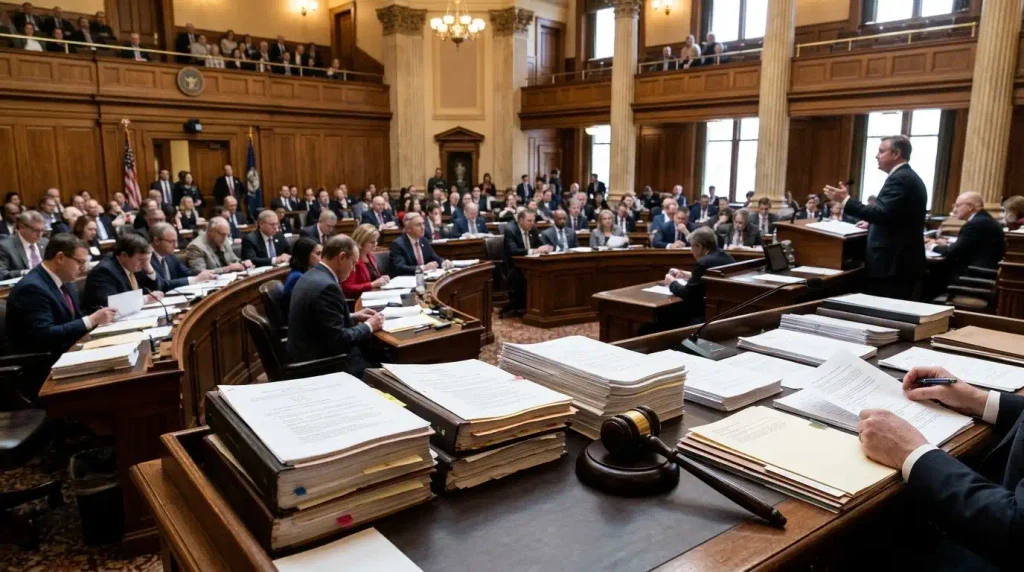
Legally restrict (Verb Phrase) — US: /ˈliː.ɡəl.i rɪˈstrɪkt/
Meaning: To limit actions by establishing binding statutory regulations.
Tone/Register: Formal, Policy
Examples:
Environmental codes legally restrict chemical runoff near water sources.
The city voted to legally restrict noise levels after ten at night.
Invalidate (Verb) — US: /ɪnˈvæl.ə.deɪt/ | UK: /ɪnˈvæl.ɪ.deɪt/
Meaning: To make a contract, law, or activity officially void or illegal.
Tone/Register: Legal, Formal
Examples:
Court rulings invalidate contracts signed under duress or deception.
Constitutional breaches invalidate local ordinances immediately.
Outlawing (Noun / Gerund) — US: /ˈaʊt.lɑː.ɪŋ/ | UK: /ˈaʊt.lɔː.ɪŋ/
Meaning: The legislative act of turning a practice into an illegal offense.
Tone/Register: Formal, Legal
Examples:
The sudden outlawing of public gatherings caused widespread confusion.
Citizens supported the legislative outlawing of the ivory trade.
Proscribing (Noun / Gerund) — US: /prəˈskraɪb.ɪŋ/ | UK: /prəˈskraɪb.ɪŋ/
Meaning: The formal act of banning or prohibiting conduct by legal decree.
Tone/Register: High Academic, Legal
Examples:
Legal scholar papers focus on proscribing cyber espionage activities.
The official document outlined guidelines proscribing insider trading.
Taboo (Verb / Adjective) — US: /təˈbuː/ | UK: /təˈbuː/
Meaning: To place an activity under social prohibition or total ban.
Tone/Register: Cultural, Sociological
Examples:
Traditional customs taboo discussing personal finances at social dinners.
Modern culture considers discrimination taboo across workplaces.
Repress (Verb) — US: /rɪˈpres/ | UK: /rɪˈpres/
Meaning: To subdue someone or an activity by force or legal suppression.
Tone/Register: Formal, Political
Examples:
The government sought to repress political opposition through harsh arrests.
Strict policies repress creative freedom within state media agencies.
Nullify (Verb) — US: /ˈnʌl.ə.faɪ/ | UK: /ˈnʌl.ɪ.faɪ/
Meaning: To make legally null and void; to cancel the legal force of something.
Tone/Register: Formal, Legal
Examples:
Judges nullify contracts that violate fundamental public policy standards.
The Supreme Court acted to nullify the disputed state law.
Penalize by law (Verb Phrase) — US: /ˈpiː.nəl.aɪz baɪ lɑː/
Meaning: To attach formal statutory punishment or fines to an activity.
Tone/Register: Legal, Policy
Examples:
Statutes penalize by law any unauthorized entry into federal land.
Municipalities penalize by law reckless driving in school zones.
Make punishable (Verb Phrase) — US: /meɪk ˈpʌn.ɪ.ʃə.bəl/
Meaning: To pass laws establishing specific legal sanctions for a conduct.
Tone/Register: Formal, Statutory
Examples:
Amendments make any attempt to tamper with voter registration.
Environmental codes make the illegal dumping of waste punishable.
Place under ban (Verb Phrase) — US: /pleɪs ˈʌn.dɚ bæn/
Meaning: To officially impose a complete prohibition on a practice or good.
Tone/Register: Formal, Official
Examples:
Customs officials place a ban on all imports lacking health clearance.
The ministry moved to place a ban on invasive plant species.
Quash (Verb) — US: /kwɑːʃ/ | UK: /kwɒʃ/
Meaning: To reject or void a legal decision, act, or process officially.
Tone/Register: Legal, Formal Judicial
Examples:
The appellate panel voted to quash the lower court’s indictment.
Judges acted to quash subpoenas issued without probable cause.
Clamp down on (Phrasal Verb) — US: /klæmp daʊn ɑːn/
Meaning: To act strictly to prevent or stop an illegal or unwanted activity.
Tone/Register: Informal, Policy, Media
Examples:
Police decided to clamp down on speeding along busy residential streets.
Regulators move to clamp down on unapproved online gambling sites.
Crack down on (Phrasal Verb) — US: /kræk daʊn ɑːn/
Meaning: To take strong, severe legal action against a specific crime.
Tone/Register: Media, General, Policy
Examples:
City officials plan to crack down on illegal parking downtown.
Authorities crack down on tax evasion schemes during annual audits.
Illegalization (Noun) — US: /ɪˌliː.ɡəl.əˈzeɪ.ʃən/ | UK: /ɪˌliː.ɡəl.aɪˈzeɪ.ʃən/
Meaning: The process of enacting laws that make an activity illegal.
Tone/Register: Academic, Sociological
Examples:
Sociologists study the historical illegalization of trade goods.
The paper tracks the illegalization of unregistered firearms.
Deem unlawful (Verb Phrase) — US: /diːm ʌnˈlɑː.fəl/
Meaning: To judge or classify an action as contrary to civil or criminal law.
Tone/Register: Legal, Judicial
Examples:
Courts deem unlawful any commercial practice that misleads consumers.
Regulators deem unlawful the unapproved sharing of medical records.
Outlawing of (Noun Phrase) — US: /ˈaʊt.lɑː.ɪŋ əv/
Meaning: The official prohibition or illegalization of a specific practice.
Tone/Register: Formal, Legal
Examples:
The outlawing of predatory lending practices protected vulnerable borrowers.
Advocates praised the outlawing of dangerous industrial chemicals.
Legally proscribe (Verb Phrase) — US: /ˈliː.ɡəl.i prəˈskraɪb/
Meaning: To forbid an activity through strict statutory or constitutional rules.
Tone/Register: High Legal, Academic
Examples:
Human rights charters legally proscribe torture under all circumstances.
Maritime treaties legally proscribe piracy across international waters.
Classify as crime (Verb Phrase) — US: /ˈklæs.ə.faɪ æz kraɪm/
Meaning: To record an offense officially within the statutory penal code.
Tone/Register: Legal, Formal
Examples:
Legislators voted to classify any intentional digital data breach as a crime.
The bill seeks to classify the destruction of public monuments as a crime.
Put off-limits (Phrasal Verb) — US: /pʊt ɑːf ˈlɪm.ɪts/
Meaning: To restrict access or forbid activity in a designated location.
Tone/Register: Everyday, General
Examples:
Park rangers put off-limits fragile dune habitats during nesting season.
The coach decided to put fast food off-limits during training camp.
Bring under statute (Verb Phrase) — US: /brɪŋ ˈʌn.dɚ ˈstætʃ.uːt/
Meaning: To regulate an activity formally by creating written laws.
Tone/Register: Legal, Legislative
Examples:
Lawmakers plan to bring emerging artificial intelligence tools under statute.
The commission worked to bring digital currency exchanges under statute.
Impose penalty (Verb Phrase) — US: /ɪmˈpoʊz ˈpen.əl.ti/
Meaning: To officially order a fine or punishment for violating a rule.
Tone/Register: Administrative, Legal
Examples:
The court will impose penalty charges on companies breaking safety codes.
Judges impose penalty fees for failing to appear on jury summons dates.

Sanction (Verb / Noun) — US: /ˈsæŋk.ʃən/ | UK: /ˈsæŋk.ʃən/
Meaning: To impose official penalties or restrictions on a nation or entity.
Tone/Register: Diplomatic, Legal, Formal
Examples:
The United Nations voted to sanction nations building illicit weapons.
Regulators sanction institutions that fail financial stability tests.
Synonyms by Tone
Tone plays an important role when choosing legal and policy vocabulary. Selecting appropriate terms ensures your writing remains clear, authoritative, and precise. For authoritative legal definitions and statutory standards, consult trusted resources like Merriam-Webster’s legal guidelines.
- Positive / Protective: Prohibit, Penalize, Ban, Outlaw, Restrict, Legally restrict.
- Neutral / Statutory: Criminalize, Illegalize, Proscribe, Prosecute, Deem illegal, Invalidate.
- Negative / Oppressive: Suppress, Repress, Censor, Stigmatize, Denylist.
- Informal / Policy: Clamp down on, Crack down on, Put off-limits, Ban.
Mini Comparison: “Criminalize” vs. Close Alternatives
| Term | Meaning Difference | Tone Difference | Best Context |
|---|---|---|---|
| Criminalize | Turning an activity into a criminal offense punishable by law | Formal, Legal, Statutory | Legislative bills, legal briefs, policy essays |
| Outlaw | Formally declaring an activity or group completely illegal | Direct, Strong, Official | Historical statutes, public policy, general laws |
| Proscribe | Forbidding an action by official, high-level legal decree | Highly formal, Academic | Constitutions, international treaties, law journals |
Context-Based Usage
Daily Conversation
In everyday speech, opt for words like ban, outlaw, crack down on, or forbid. Consequently, these choices keep your spoken English natural, clear, and relatable.
Writing or Blogging
Bloggers should choose engaging terms like illegalize, penalize, clamp down on, or prohibit. Furthermore, these words convey policy actions without sounding dry.
Professional or Academic Tone
In legal briefs, formal essays, and policy papers, select terms like criminalize, proscribe, enjoin, invalidate, or interdict. Therefore, these choices maintain statutory authority and legal precision.
Common Mistakes & Native Usage
- Mistake 1: Confusing proscribe (to outlaw or forbid) with prescribe (to recommend or order medicine).
- Mistake 2: Using criminalize when referring to simple company rule changes. Reserve criminalize for actions involving legal offenses.
- Mistake 3: Overusing crack down on in formal legal dissertations. Replace it with prosecute or penalize.
Real-Life Mini Scenarios
- Workplace: Corporate management moved to prohibit unauthorized software installations on company laptops.
- Social Situations: Neighbors asked the city council to ban loud late-night construction noise in residential areas.
- Media / Pop Culture: Journalists reported on legislative efforts to criminalize unauthorized digital identity theft.
- Storytelling: The king signed a royal decree to outlaw rival guilds across the realm.
Interactive Practice Quiz
Test your understanding of these legal and policy terms with this practical quiz.
- Which formal term best replaces criminalize in a high-level legal treaty?
A) Crack down on
B) Proscribe
C) Clamp down
D) Put off-limits - A common everyday term for making a practice illegal is to:
A) Ban
B) Enjoin
C) Interdict
D) Quash - Which word is frequently confused with proscribe but means to recommend?
A) Legalize
B) Prescribe
C) Outlaw
D) Sanction - Treating an activity with public shame and social disapproval is to:
A) Stigmatize
B) Invalidate
C) Quash
D) Disallow - What is the best word for initiating official court proceedings against an offender?
A) Prosecute
B) Taboo
C) Censor
D) Blocklist - Which phrase carries an informal media register for strict police enforcement?
A) Crack down on
B) Proscribe
C) Invalidate
D) Interdict - What tone does the word proscribe carry in law journals?
A) Casual
B) Highly formal and legal
C) Playful
D) Sarcastic - Which word fits best when a court voids a contract completely?
A) Invalidate
B) Stigmatize
C) Censor
D) Alternative - Which choice is best for an official legislative news headline?
A) Parliament moves to criminalize data theft.
B) Leaders put bad stuff off-limits.
C) Government cracks down real hard.
D) Officials say no to crime. - What part of speech is criminalize?
A) Noun
B) Verb
C) Adjective
D) Adverb
Application Task: Write one short sentence describing a new legal restriction using either outlaw or prohibit.
Answer Key:
1: B | 2: A | 3: B | 4: A | 5: A | 6: A | 7: B | 8: A | 9: A | 10: B
1. What is the most formal synonym for criminalize?
The most accepted formal legal alternatives include proscribe, illegalize, outlaw, prohibit, and penalize.
2. What is the difference between criminalize and penalize?
Criminalize specifically means classifying an action as a crime subject to penal prosecution, whereas penalize can refer to administrative fines, sports fouls, or civil penalties.
3. How do proscribe and prescribe differ in legal writing?
Proscribe means to forbid, outlaw, or prohibit an activity by law, while prescribe means to establish, direct, or recommend a specific course of action or treatment.
4. How does using precise legal synonyms improve policy writing?
Using exact terms like proscribe, enjoin, or invalidate prevents ambiguity and clearly defines the level of legal restriction.
5. What are good casual alternatives for criminalize in daily speech?
In daily speech, terms like ban, outlaw, make illegal, crack down on, or forbid sound natural and accessible.
Conclusion
Finding a precise synonym for criminalize elevates your legal vocabulary and sharpens your overall communication skills. Replacing repetitive words allows you to express statutory prohibitions, policy updates, and social restrictions clearly across all settings.
Mastering a new synonym for criminalize improves your academic essays, policy blogs, and professional speech significantly. Words like outlaw, proscribe, or prohibit allow you to match your tone perfectly to your target audience.
Start practicing these vocabulary choices in your emails, essays, and policy discussions today. Building better legal communication habits takes simple daily practice, so pick a synonym for criminalize and use it in your next sentence!

Sawera Rani is the founder and content creator behind VocabularyFinder.com, a platform designed to help learners improve their English vocabulary simply and effectively. With a passion for language learning, Sawera Rani creates easy-to-understand vocabulary guides, word meanings, definitions, and practical examples that make learning new words easier. She aims to provide useful and reliable resources for students, professionals, and English learners who want to improve their communication skills. Through VocabularyFinder.com, she focuses on making vocabulary learning more accessible, engaging, and helpful for everyday use.