A synonym for crawl includes movement terms like creep, wriggle, slither, inch, drag, or grovel, depending on whether the context involves physical ground movement, slow traffic, or humble behavior. Options range from descriptive verbs like inch to figurative descriptors like grovel or fawn.
Synonym for crawl help you describe slow physical movement and subtle behavior without relying on repetitive words. Imagine watching a young toddler move across a soft living room rug toward a colorful toy. Describing that movement as creeping or inching forward adds vivid detail to your story.
Using a precise synonym for crawl refines your descriptive skills across creative fiction, travel blogs, and daily conversation. For instance, replacing basic movement words with terms like inch or slither highlights the exact speed and posture immediately.
Finding a versatile synonym for crawl benefits students, bloggers, fiction writers, and daily English communicators. Expanding your action vocabulary ensures your prose remains dynamic, engaging, and expressive across all settings.
What Does “Crawl” Really Mean?
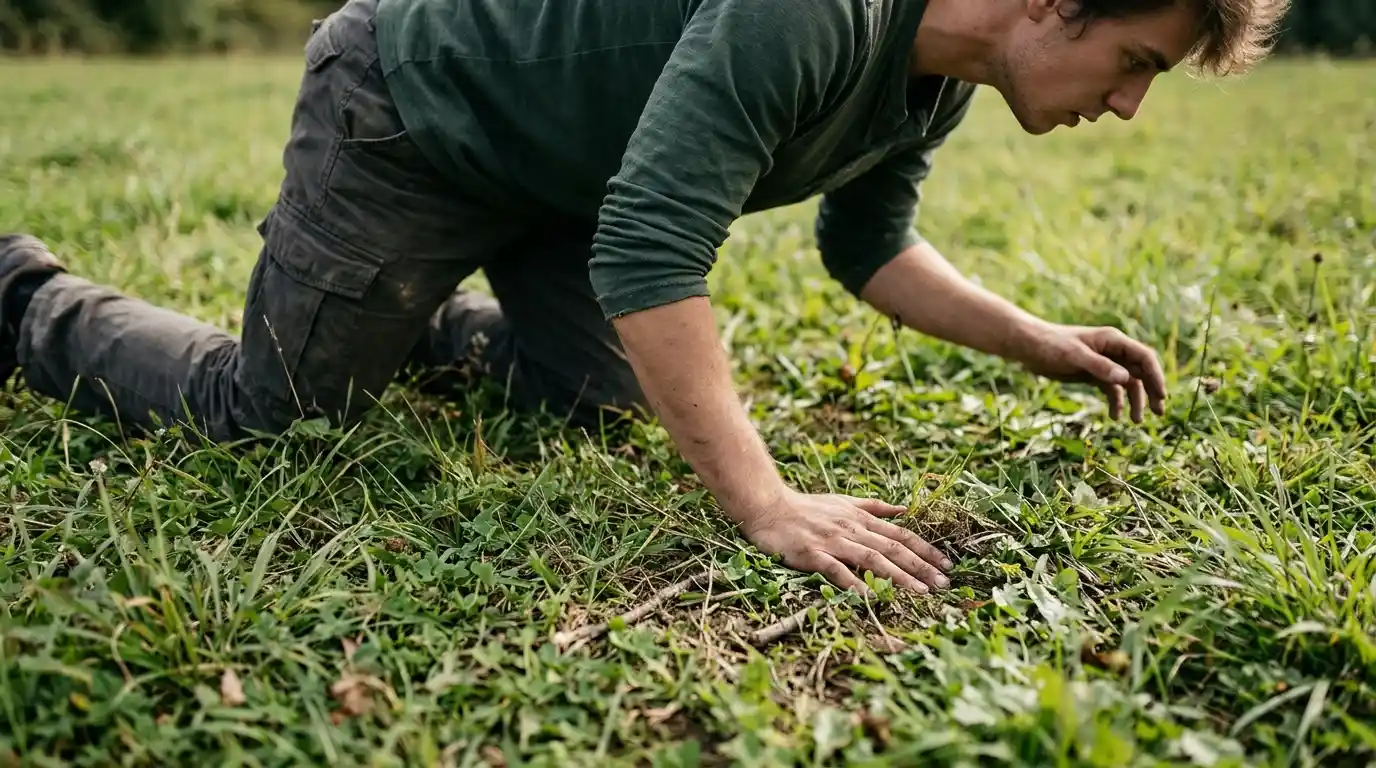
Crawl refers to moving forward on hands and knees, dragging the body along the ground, or progressing at an extremely slow pace.
In English, it functions as a verb (infants crawl before walking) and as a noun (traffic slowed to a crawl).
Part of Speech: Verb / Noun
Definition: To move slowly along the ground on hands and knees, or to progress at a sluggish speed.
Connotative Meaning
(Connotation is the emotional feeling or cultural association that a word carries beyond its literal dictionary definition.)
- Positive tone: Associated with infant development milestones, careful stealth, and patient focus.
- Negative tone: Implies frustration, sluggish delay, helplessness, or subservient behavior (e.g., crawling back to apologize).
- Neutral tone: Simply describes physical movement close to the floor or natural insect movement.
Etymology and Syllables
The word originates from Middle English crawlen, likely derived from Old Norse krala, meaning “to crawl” or “to creep.”
- Old English (450–1100): Early Germanic speakers used creopen (to creep) to describe ground movement.
- Middle English (1100–1500): Adopted crawlen from Norse traders to specify low, dragging movement.
- Modern English (1500–Present): Expanded to describe slow vehicular traffic and figurative servility.
Pronunciation (IPA):
- US: /krɑːl/
- UK: /krɔːl/
Syllables: crawl
- Root: Crawl (from Old Norse krala, meaning to move low)
- Prefix: None
- Suffix: None
Comprehensive List of 45 Synonyms
Creep (Verb / Noun) — US: /kriːp/ | UK: /kriːp/
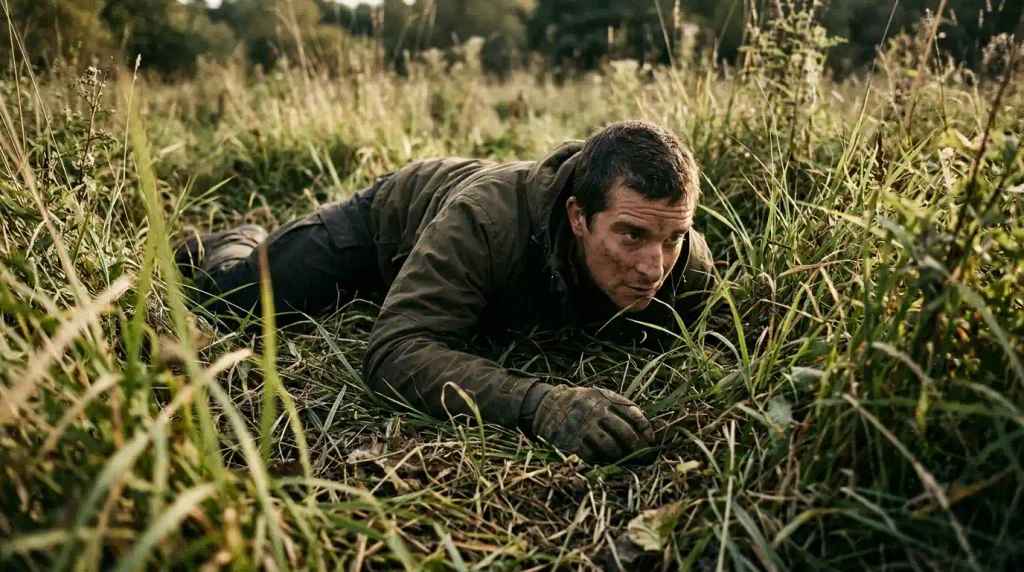
Meaning: To move slowly and quietly close to the ground to avoid detection.
Tone/Register: Standard, Storytelling, Suspenseful
Examples:
The cat started to creep through the tall grass toward the sleeping bird.
Shadows began to creep across the sunlit garden wall.
Inch (Verb) — US: /ɪntʃ/ | UK: /ɪntʃ/
Meaning: To move forward very slowly and cautiously by tiny degrees.
Tone/Register: Neutral, Descriptive, Precise
Examples:
Cars continue to inch forward through the dense morning fog.
She watched the snail inch across the damp patio stone.
Slither (Verb) — US: /ˈslɪð.ɚ/ | UK: /ˈslɪð.ər/
Meaning: To slide smoothly and sinuously along a surface like a snake.
Tone/Register: Descriptive, Animal, Vivid
Examples:
The green snake began to slither quietly across the forest trail.
Water droplets slither down the glass pane during heavy rain.
Wriggle (Verb) — US: /ˈrɪɡ.əl/ | UK: /ˈrɪɡ.əl/
Meaning: To move along by twisting and turning the body quickly.
Tone/Register: Playful, Everyday, Informal
Examples:
The puppy tried to wriggle out of its harness during the walk.
Earthworms wriggle through damp soil after a summer shower.
Squirm (Verb) — US: /skwɝːm/ | UK: /skwɜːm/
Meaning: To wriggle or twist the body from side to side in discomfort or nervousness.
Tone/Register: Conversational, Expressive
Examples:
The toddler began to squirm in his high chair after finishing lunch.
He made the suspect squirm with direct, pointed questions.
Drag (Verb) — US: /dræɡ/ | UK: /dræɡ/
Meaning: To pull oneself or something along the ground with effort and difficulty.
Tone/Register: Standard, Physical, Heavy
Examples:
Exhausted hikers had to drag themselves up the final mountain slope.
The fallen tree branch continued to drag along the dusty road.
Grovel (Verb) — US: /ˈɡrɑː.vəl/ | UK: /ˈɡrɒv.əl/
Meaning: To lie or crawl face downward in servility, fear, or total humility.
Tone/Register: Critical, Dramatic, Figurative
Examples:
He refused to grovel before his boss for a small promotion.
The villain was forced to grovel after his defeat.
Worm (Verb) — US: /wɝːm/ | UK: /wɜːm/
Meaning: To move or squeeze through a tight space with twisting motions.
Tone/Register: Informal, Descriptive
Examples:
The mechanic managed to worm his way under the low vehicle chassis.
She tried to worm out of her weekend chores.
Wriddle (Verb) — US: /ˈrɪd.əl/ | UK: /ˈrɪd.əl/
Meaning: To move with small, continuous squirming or wriggling motions.
Tone/Register: Dialectal, Literary
Examples:
Small insects wriggle under the damp, decaying log.
The fish started to wriggle in the wooden boat bucket.
Scramble (Verb) — US: /ˈskræm.bəl/ | UK: /ˈskræm.bəl/
Meaning: To move or climb quickly using both hands and feet over rough ground.
Tone/Register: Energetic, Action, Standard
Examples:
Hikers had to scramble up the steep rocky slope to safety.
Children scramble over the playground nets every afternoon.
Edge (Verb) — US: /edʒ/ | UK: /edʒ/
Meaning: To move gradually or carefully in a specific direction.
Tone/Register: Neutral, Conversational
Examples:
He began to edge closer to the stage to take a photograph.
The boat started to edge toward the wooden dock.
Slide (Verb) — US: /slaɪd/ | UK: /slaɪd/
Meaning: To move smoothly along a surface while maintaining continuous contact.
Tone/Register: General, Smooth
Examples:
Children love to slide down the icy snow hill in winter.
The drawer started to slide open smoothly after oiling.
Sidle (Verb) — US: /ˈsaɪ.dəl/ | UK: /ˈsaɪ.dəl/
Meaning: To walk or move sideways in a timid, secretive, or unobtrusive manner.
Tone/Register: Literary, Suspenseful
Examples:
The shy teenager tried to sidle past the teacher unnoticed.
He managed to sidle up to the snack table quietly.
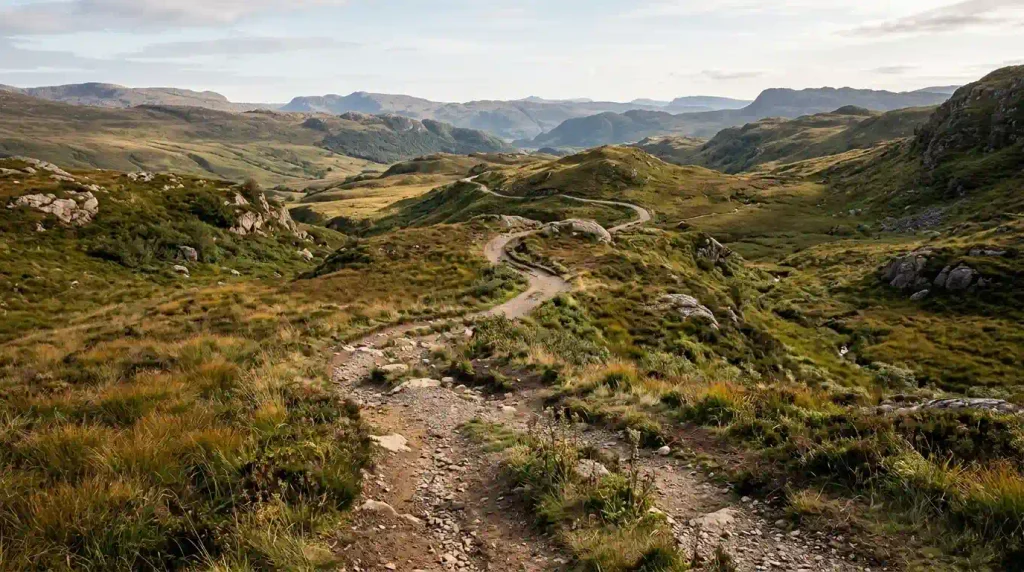
Snake (Verb) — US: /sneɪk/ | UK: /sneɪk/
Meaning: To move or wind in a twisting, curving path across terrain.
Tone/Register: Descriptive, Visual
Examples:
The blue river continues to snake through the green mountain valley.
A long line of fans started to snake around the ticket booth.
Prowl (Verb) — US: /praʊl/ | UK: /praʊl/
Meaning: To move stealthily or quietly in search of prey or opportunity.
Tone/Register: Dramatic, Suspenseful, Animal
Examples:
Leopards prowl through the tall grass under moonlight.
Security guards prowl the quiet warehouse floor at night.
Glide (Verb) — US: /ɡlaɪd/ | UK: /ɡlaɪd/
Meaning: To move smoothly, continuously, and effortlessly along a surface.
Tone/Register: Elegant, Poetic
Examples:
Ice skaters glide effortlessly across the frozen lake.
Swans glide across the calm water during sunset.
Shag (Verb) — US: /ʃæɡ/ | UK: /ʃæɡ/
Meaning: To move with a slow, heavy, or shuffling physical gait.
Tone/Register: Archaic, Regional
Examples:
Old pack mules shag along the rocky mountain path.
Travelers shag along after hours of walking in rain.
Slink (Verb) — US: /slɪŋk/ | UK: /slɪŋk/
Meaning: To move stealthily, quietly, or guiltily away from view.
Tone/Register: Expressive, Storytelling
Examples:
The naughty dog tried to slink away after chewing the rug.
He managed to slink out the back door during the commotion.
Shuffle (Verb) — US: /ˈʃʌf.əl/ | UK: /ˈʃʌf.əl/
Meaning: To walk by dragging one’s feet along the ground without lifting them fully.
Tone/Register: General, Casual
Examples:
Tired commuters shuffle through the train station during peak hour.
He put on slippers to shuffle into the kitchen for coffee.
Pawk (Verb) — US: /pɑːk/ | UK: /pɔːk/
Meaning: To move slyly, stealthily, or artfully to avoid notice.
Tone/Register: Regional Dialect, Rare
Examples:
The cat began to pawk toward the bird feeder.
He tried to pawk along the wall to avoid the guard.
Crawl along (Phrasal Verb) — US: /krɑːl əˈlɑːŋ/ | UK: /krɔːl əˈlɒŋ/
Meaning: To progress at a sluggish, agonizingly slow speed over distance.
Tone/Register: Everyday, General
Examples:
Delivery trucks crawl along the congested highway during construction.
Work projects crawl along when team members miss deadlines.
Lurch (Verb) — US: /lɝːtʃ/ | UK: /lɜːtʃ/
Meaning: To move or sway suddenly and unsteadily from side to side.
Tone/Register: Unsteady, Dramatic
Examples:
The old bus began to lurch forward along the unpaved road.
He felt the ship lurch as a large wave struck the bow.
Plod (Verb) — US: /plɑːd/ | UK: /plɒd/
Meaning: To walk heavily and slowly with persistent, tired effort.
Tone/Register: Standard, Patient, Heavy
Examples:
Work horses plod through the muddy field under heavy rain.
Students plod through thick textbooks during final review week.
Trudge (Verb) — US: /trʌdʒ/ | UK: /trʌdʒ/
Meaning: To walk slowly and heavily as a result of exhaustion or tough conditions.
Tone/Register: Descriptive, Physical
Examples:
Hikers had to trudge through deep winter snow for three hours.
We trudge home after a long shift at the factory.
Lumber (Verb) — US: /ˈlʌm.bɚ/ | UK: /ˈlʌm.bər/
Meaning: To move in a slow, heavy, and awkward physical manner.
Tone/Register: Descriptive, Massive
Examples:
A large bear began to lumber through the pine forest clearing.
Heavy trucks lumber down the residential street every morning.
Worm one’s way (Idiom) — US: /wɝːm wʌnz weɪ/
Meaning: To maneuver slowly and cleverly into a tight space or favorable position.
Tone/Register: Figurative, Informal
Examples:
He managed to worm his way into the front row of the concert.
She used charm to worm her way onto the committee board.
Inch forward (Phrasal Verb) — US: /ɪntʃ ˈfɔːr.wɚd/
Meaning: To advance by minute, barely perceptible increments over time.
Tone/Register: Precise, Analytical
Examples:
Traffic began to inch forward as tow trucks cleared the lane.
Negotiations inch forward despite big political differences.
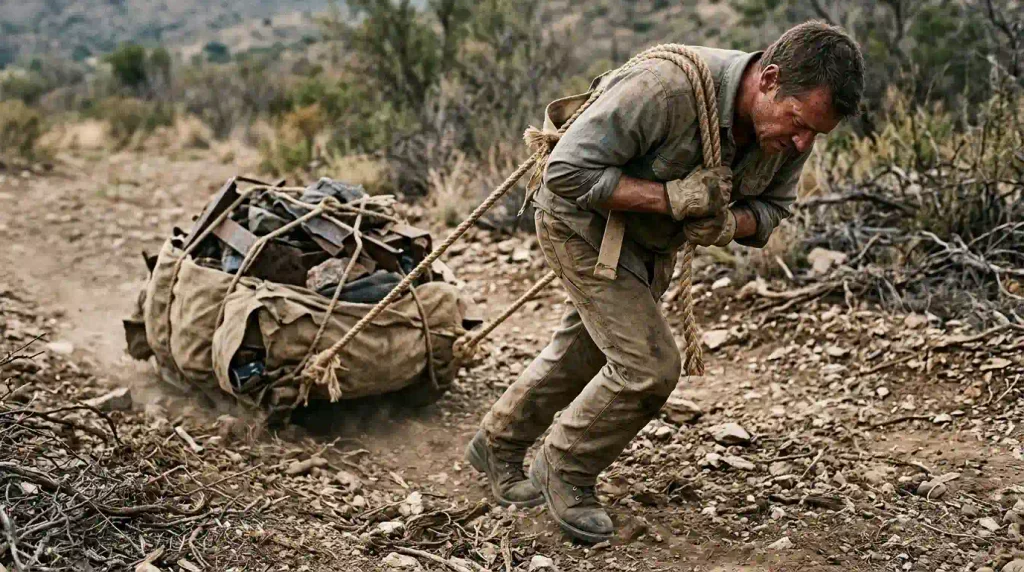
Drag along (Phrasal Verb) — US: /dræɡ əˈlɑːŋ/
Meaning: To move forward with great difficulty, pulling heavy weight along.
Tone/Register: Physical, Heavy
Examples:
The injured runner had to drag along behind the lead group.
Heavy suitcases drag along the carpeted hotel corridor.
Cower (Verb) — US: /ˈkaʊ.ɚ/ | UK: /ˈkaʊ.ər/
Meaning: To crouch down or shrink back in fear, helplessness, or cold.
Tone/Register: Emotional, Dramatic
Examples:
The frightened puppy began to cower under the wooden porch during thunder.
Villagers cower in shelter during the fierce wind storm.
Crouch (Verb) — US: /kraʊtʃ/ | UK: /kraʊtʃ/
Meaning: To lower the body close to the ground by bending legs fully.
Tone/Register: General, Physical
Examples:
Athletes crouch down on the track before the starting gun fires.
Photographers crouch low to capture nature pictures.
Kowtow (Verb) — US: /ˌkaʊˈtaʊ/ | UK: /ˌkaʊˈtaʊ/
Meaning: To act in an excessively subservient or obedient manner toward someone.
Tone/Register: Critical, Formal
Examples:
Independent journalists refuse to kowtow to political pressure.
He refused to kowtow to unreasonable demands from buyers.
Fawn (Verb) — US: /fɑːn/ | UK: /fɔːn/
Meaning: To display exaggerated affection or servility to gain favor or approval.
Tone/Register: Critical, Behavioral
Examples:
Flatterers love to fawn over wealthy guests at charity dinners.
She hated watching assistants fawn over demanding executives.
Truckle (Verb) — US: /ˈtrʌk.əl/ | UK: /ˈtrʌk.əl/
Meaning: To submit subserviently or yield tamely to another’s authority.
Tone/Register: High Formal, Literary
Examples:
The proud diplomat refused to truckle under foreign threats.
History honors leaders who never truckle to tyranny.
Toady (Verb) — US: /ˈtoʊ.di/ | UK: /ˈtəʊ.di/
Meaning: To behave in a sycophantic way toward someone powerful.
Tone/Register: Informal, Critical
Examples:
Ambitious clerks try to toady to department heads for promotions.
No one respects workers who toady to gain favor.
Sycophant (Noun / Verb) — US: /ˈsɪk.ə.fænt/ | UK: /ˈsɪk.ə.fænt/
Meaning: Act as a person who acts obsequiously toward someone to gain advantage.
Tone/Register: Academic, Formal
Examples:
The emperor surrounded himself with yes-men and sycophants.
Critical thinkers refuse to sycophant around executive leaders.
Clamber (Verb) — US: /ˈklæm.bɚ/ | UK: /ˈklæm.bər/
Meaning: To climb or move awkwardly using hands and feet over obstacles.
Tone/Register: Descriptive, Action
Examples:
Tourists clamber over smooth river rocks to reach the waterfall.
Children clamber onto the wooden farm fence to see horses.
Crawl back (Phrasal Verb) — US: /krɑːl bæk/ | UK: /krɔːl bæk/
Meaning: To return humbly or guiltily to someone after a mistake or failure.
Tone/Register: Informal, Emotional
Examples:
He had to crawl back to his former employer after his startup failed.
She vowed never to crawl back after being mistreated.
Scritch (Verb) — US: /skrɪtʃ/ | UK: /skrɪtʃ/
Meaning: To move, making tiny scratching sounds across a dry surface.
Tone/Register: Onomatopoeic, Literary
Examples:
Tiny crabs scritch across dry beach sand at dusk.
Mice scritch inside the wooden wall panels at midnight.
Move at a snail’s pace (Idiom) — US: /muːv æt ə sneɪlz peɪs/
Meaning: To advance at an extraordinarily slow speed.
Tone/Register: Expressive, Everyday
Examples:
Highway traffic continued to move at a snail’s pace due to construction.
Document processing seems to move at a snail’s pace in summer.
Worm through (Phrasal Verb) — US: /wɝːm θruː/
Meaning: To navigate through a crowded or tight space slowly.
Tone/Register: Physical, Descriptive
Examples:
The photographer managed to worm through the dense crowd to the front.
Water managed to worm through small cracks in the foundation.
Creep along (Phrasal Verb) — US: /kriːp əˈlɑːŋ/
Meaning: To move forward steadily but almost imperceptibly slowly.
Tone/Register: Standard, Descriptive
Examples:
Glaciers creep along valley floors over hundreds of years.
Construction work seems to creep along during winter months.
Crawl away (Phrasal Verb) — US: /krɑːl əˈweɪ/
Meaning: To retreat slowly along the ground due to injury, fear, or defeat.
Tone/Register: Dramatic, Physical
Examples:
The wounded soldier managed to crawl away from the firing line.
The defeated dog will crawl away to rest in peace.
Drag along the ground (Verb Phrase) — US: /dræɡ əˈlɑːŋ ðə ɡraʊnd/
Meaning: To pull oneself or an item physically across a floor surface.
Tone/Register: Descriptive, Physical
Examples:
Heavy coats drag along the ground if not folded properly.
The toddler let his blanket drag along the ground while walking.
Inch along (Phrasal Verb) — US: /ɪntʃ əˈlɑːŋ/
Meaning: To progress over distance through small, deliberate movements.
Tone/Register: Precise, Standard
Examples:
Commuter trains inch along during heavy electrical power outages.
Glaciers inch along the rocky landscape over centuries.
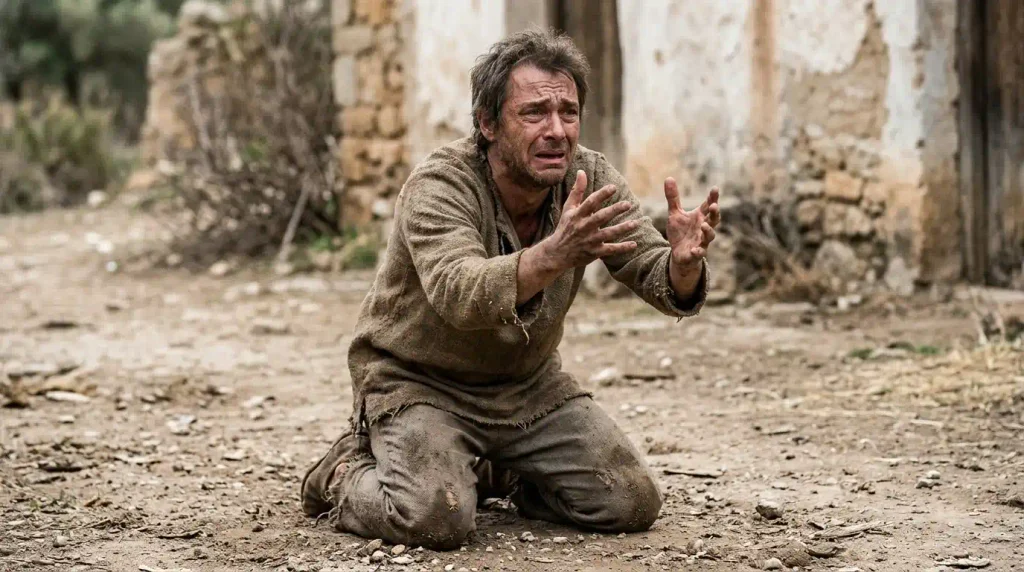
Grovel in the dust (Idiom) — US: /ˈɡrɑː.vəl ɪn ðə dʌst/
Meaning: To show extreme, humiliating submission or begging.
Tone/Register: Dramatic, Literary
Examples:
The fallen general was forced to grovel in the dust before the king.
He pledged never to grovel in the dust for financial gain.
Synonyms by Tone
Tone matters when choosing action verbs. Selecting descriptive terms ensures your writing remains vivid, precise, and appropriate for your context. For authoritative usage standards, check established tools like Merriam-Webster’s dictionary guides.
- Physical / Slow Movement: Inch, Creep, Drag, Slither, Wriggle, Squirm, Slide, Shuffle.
- Stealth / Quiet: Creep, Sidle, Prowl, Slink, Snake, Worm.
- Figurative / Servile: Grovel, Kowtow, Fawn, Toady, Truckle, Crawl back.
- Informal / Action: Scramble, Clamber, Jam, Worm through, Move at a snail’s pace.
Mini Comparison: “Crawl” vs. Close Alternatives
| Term | Meaning Difference | Tone Difference | Best Context |
|---|---|---|---|
| Crawl | Moving on hands and knees, or progressing sluggishly | Neutral, Physical, Common | Infant milestones, slow traffic, basic physical movement |
| Creep | Moving quietly and low to avoid being noticed | Suspenseful, Stealthy | Horror stories, stealth games, hunting movement |
| Slither | Sliding smoothly along the ground without limbs | Descriptive, Animal, Smooth | Snakes, reptiles, liquid motion on glass |
Context-Based Usage
Daily Conversation
In everyday speech, opt for words like inch, creep, drag, shuffle, or move at a snail’s pace. Consequently, these options keep your spoken English natural, friendly, and expressive.
Writing or Blogging
Bloggers should choose visual terms like slither, wriggle, sidle, or scramble. Furthermore, these words create vivid mental images without sounding dry.
Professional or Academic Tone
In formal papers, animal biology studies, and literary critiques, select terms like grovel, kowtow, truckle, or progress slowly. Therefore, these choices maintain academic authority and precision.
Common Mistakes & Native Usage
- Mistake 1: Using slither for human walking. Native speakers reserve slither for snakes or smooth sliding movements.
- Mistake 2: Confusing creep (stealthy movement) with crawl (hands-and-knees positioning).
- Mistake 3: Overusing grovel for physical exercise. Grovel implies extreme servility or begging, not simple floor movement.
Real-Life Mini Scenarios
- Workplace: Traffic came to a complete standstill, forcing commuters to inch toward the city exit.
- Social Situations: The cat managed to slink behind the sofa when party guests arrived.
- Media / Pop Culture: Film directors filmed the monster as it began to creep through dark hallways.
- Storytelling: The wounded knight had to drag himself across the battlefield to reach his shield.
Interactive Practice Quiz
Test your understanding of these movement terms with this practical quiz.
- Which formal term best replaces crawl when describing a snake moving through grass?A) Grovel
B) Slither
C) Kowtow
D) Shuffle - A person moving slowly and stealthily to avoid being seen is:
A) Creeping
B) Kowtowing
C) Plodding
D) Lumbering - Which informal idiom describes traffic moving extremely slowly?
A) Moving at a snail’s pace
B) Kowtowing
C) Truckling
D) Slithering - Subserviently begging for forgiveness before a powerful boss is called:
A) Inching
B) Groveling
C) Scrambling
D) Gliding - What is the best word for walking heavily by dragging feet from tiredness?
A) Slither
B) Shuffle
C) Glide
D) Sidle - Which term carries an animal or reptile register?
A) Slither
B) Kowtow
C) Truckle
D) Toady - What tone does the word kowtow carry in political news writing?
A) Highly positive
B) Critical of subservience
C) Neutral physical
D) Playful - Which word fits best when climbing over rough rocks with hands and feet?
A) Scramble
B) Kowtow
C) Toady
D) Slither - Which choice is best for an official traffic alert update?
A) Cars are slithering along.
B) Vehicles continue to inch forward near construction.
C) Drivers are groveling on the road.
D) Traffic is toadying. - What part of speech is crawl in “traffic slowed to a crawl”?
A) Noun
B) Verb
C) Adjective
D) Adverb
Application Task: Write one short sentence describing slow movement using either inch or creep.
Answer Key:
1: B | 2: A | 3: A | 4: B | 5: B | 6: A | 7: B | 8: A | 9: B | 10: A
1. What is the most common formal synonym for crawl?
The most accepted alternatives include creep, inch, progress slowly, slither, and drag.
2. Can crawl refer to things other than physical movement on the ground?
Yes. Crawl frequently describes slow vehicle traffic, computer web crawlers indexing pages, or servile social behavior (crawling back).
3. What is the difference between crawl and creep?
Crawl specifically means moving on hands and knees or dragging the body along the floor, whereas creep emphasizes moving stealthily, slowly, and quietly to avoid detection.
4. How does learning varied movement synonyms improve writing?
Using precise action verbs like slither, wriggle, or inch replaces vague phrases, making descriptive writing dynamic and engaging for readers.
5. What are good casual alternatives for crawl in daily speech?
In daily speech, terms like inch along, move at a snail’s pace, drag, shuffle, or creep sound natural and accessible.
Conclusion
Finding a precise synonym for crawl enriches your action vocabulary and sharpens your overall communication skills. Replacing repetitive words allows you to express physical movement, slow traffic, and subtle social behaviors clearly across all settings.
Mastering a new synonym for crawl improves your descriptive storytelling, blog posts, and daily spoken English significantly. Words like creep, inch, or slither allow you to match your tone perfectly to your target audience.
Start practicing these vocabulary choices in your emails, essays, and daily conversations today. Building better action writing habits takes simple daily practice, so pick a synonym for crawl and use it in your next sentence!

Sawera Rani is the founder and content creator behind VocabularyFinder.com, a platform designed to help learners improve their English vocabulary simply and effectively. With a passion for language learning, Sawera Rani creates easy-to-understand vocabulary guides, word meanings, definitions, and practical examples that make learning new words easier. She aims to provide useful and reliable resources for students, professionals, and English learners who want to improve their communication skills. Through VocabularyFinder.com, she focuses on making vocabulary learning more accessible, engaging, and helpful for everyday use.