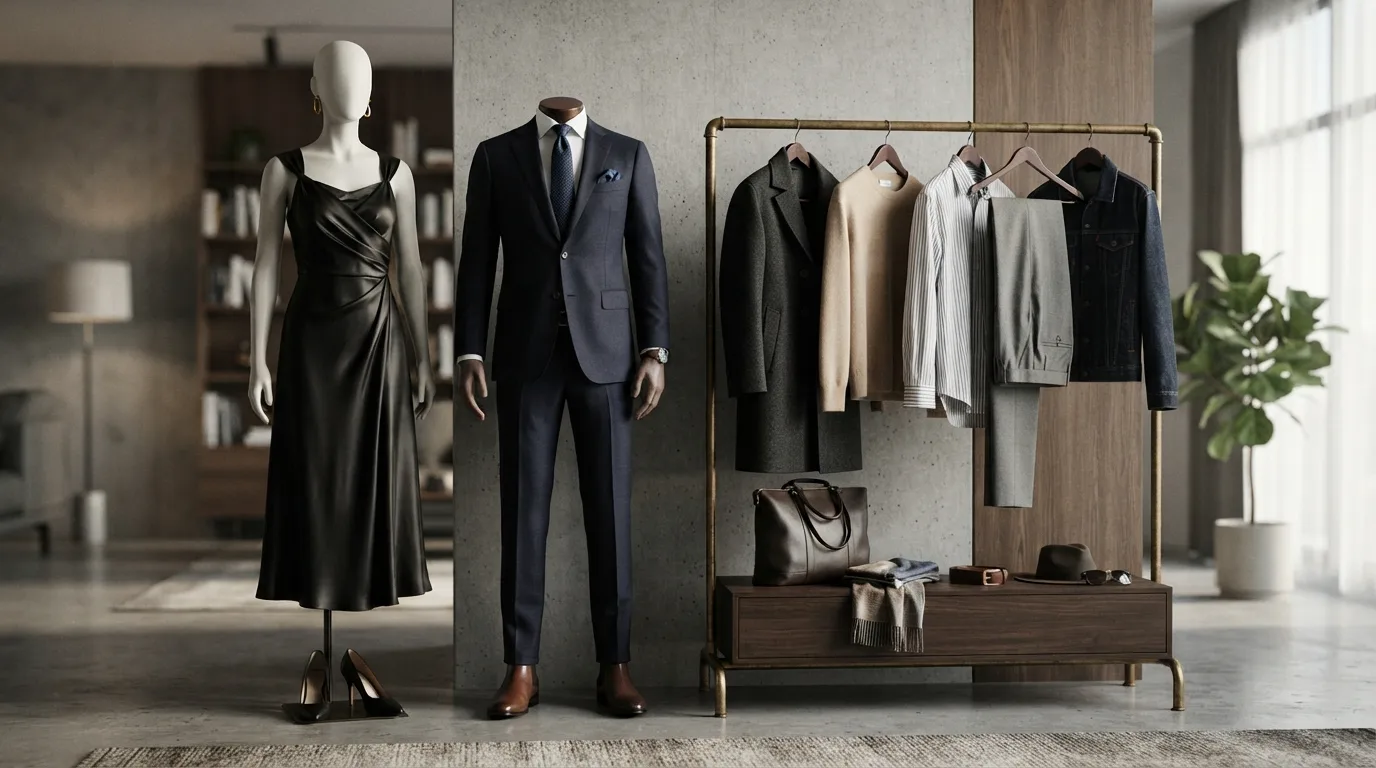
Synonym for attire are a common search for writers who want to replace overused clothing words in fashion posts, formal letters, or academic essays.
Imagine walking into an elegant evening gala where everyone wears sophisticated evening wear, but you only know how to call it basic clothes.
Last week, an ambitious fashion blogger wanted to describe a designer wardrobe, but repeating the same simple terms made her article feel dull.
Learning diverse vocabulary helps you express precise styles, avoid boring repetition, and communicate with authority in any setting.
The term attire appears constantly in dress codes, invitations, business policies, and creative storytelling whenever people describe what someone wears.
Mastering these dynamic alternatives empowers students, bloggers, content writers, and ESL learners to refine their English and write with complete confidence.
What Does “Attire” Really Mean?
Attire refers to clothing, clothes, or apparel, particularly when selected for a specific occasion, event, or formal standard.
Native speakers view it as an elevated, polished word. Consequently, you will notice it on official invitations, corporate dress codes, and news reports.
- Part of Speech: Noun (Uncountable) / Verb (Transitive – formal/literary)
- Simple Definition: Clothes or clothing, especially of a specified or formal kind worn on a particular occasion.
Connotative Meaning
The word carries a dignified, structured tone, yet its emotional weight subtly shifts with the surrounding context.
(Connotation refers to the emotional feeling, cultural association, or secondary tone that a word evokes beyond its strict dictionary definition.)
- Positive Tone: Evokes elegance, professionalism, dignity, respect, style, and refined personal presentation.
- Negative Tone: Implies strict dress codes, rigid corporate enforcement, excessive formality, or uncomfortable costume requirements.
- Neutral Tone: Functions as an objective administrative label for clothing, garments, or general wardrobe items.
Etymology & Word History
The word comes from the Old French verb atirer, meaning “to equip, prepare, or put in order.”
- Old English (450–1100): Anglo-Saxon speakers used native Germanic terms like clāþas (clothes) or wæda (garments), as French loanwords were not yet present.
- Middle English (1100–1500): Adopted from Anglo-Norman French as atire, initially referring to equipment, military gear, or decorative headwear.
- Modern English (1500–Present): Evolved into an elegant noun describing formal, functional, or specialized clothing worn for specific social events.
Pronunciation & Syllable Structure
- US Pronunciation: /əˈtaɪ.ɚ/
- UK Pronunciation: /əˈtaɪ.ər/
- Syllable Breakdown: at-tire
Affixation Pattern
- Root: tire (Historical Old French root meaning order or array)
- Prefix: ad- (Latin prefix meaning “to” or “toward”, assimilated into at-)
- Suffix: None
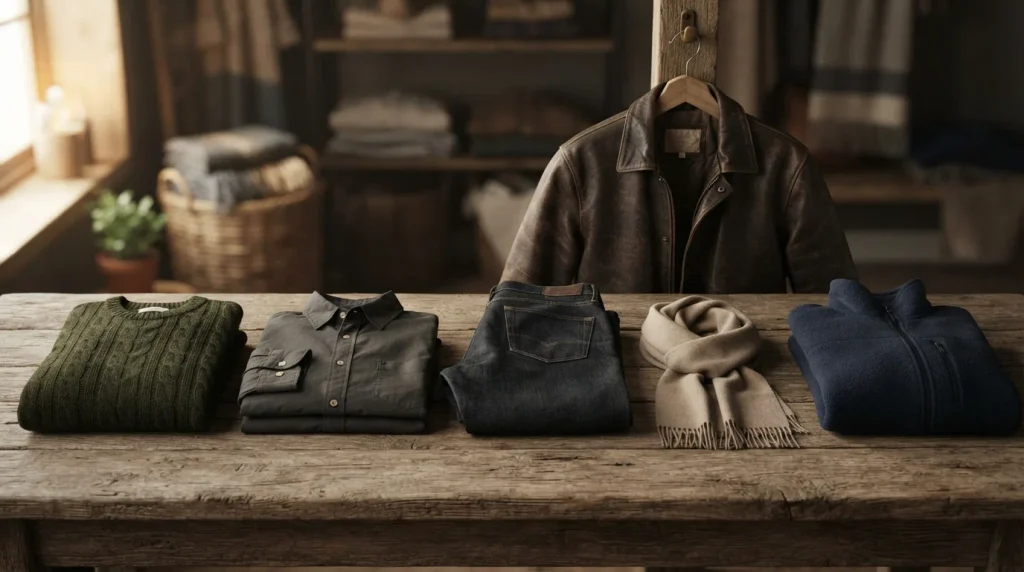
Synonyms List
Clothing (Noun) — US: /ˈkloʊ.ðɪŋ/ | UK: /ˈkləʊ.ðɪŋ/
- Meaning: General items worn to cover the human body for protection, warmth, or social custom.
- Tone/Register: Neutral, Everyday, General English
- Example 1: Warm clothing is essential during the cold winter months.
- Example 2: She donated several bags of clean clothing to the local shelter.
Clothing Items (Noun Phrase) — US: /ˈkloʊ.ðɪŋ ˈaɪ.təmz/ | UK: /ˈkləʊ.ðɪŋ ˈaɪ.təmz/
- Meaning: Individual, distinct garments considered as separate pieces of a wardrobe.
- Tone/Register: Administrative, Neutral, Retail
- Example 1: Store clerks sorted the incoming clothing items by size and color.
- Example 2: Pack only essential clothing items for your weekend trip.
Apparel (Noun) — US: /əˈpær.əl/ | UK: /əˈpær.əl/
- Meaning: Commercial or retail clothing items offered for sale or designed for specific activities.
- Tone/Register: Professional, Business, Retail
- Example 1: The boutique specializes in high-end athletic apparel.
- Example 2: Global apparel sales increased sharply during the holiday season.
Garments (Noun) — US: /ˈɡɑːr.mənts/ | UK: /ˈɡɑː.mənts/
- Meaning: Individual, fabricated pieces of clothing crafted by tailors or manufacturers.
- Tone/Register: Formal, Technical, Fashion Industry
- Example 1: The designer crafted hand-stitched garments for the runway show.
- Example 2: Delicate silk garments require gentle hand washing.
Dress (Noun) — US: /drɛs/ | UK: /drɛs/
- Meaning: A broad category of clothing worn for a specific purpose or formal occasion.
- Tone/Register: Formal, Elevated, Traditional
- Example 1: Formal dress is required for all attendees at the ceremony.
- Example 2: Traditional ceremonial dress reflected the rich history of the region.
Garb (Noun) — US: /ɡɑːrb/ | UK: /ɡɑːb/
- Meaning: Clothing of a distinctive or unusual style associated with a specific role, profession, or era.
- Tone/Register: Literary, Descriptive, Distinctive
- Example 1: The actor appeared on stage in authentic medieval garb.
- Example 2: Doctors wore protective garb during the emergency procedure.
Outfit (Noun) — US: /ˈaʊt.fɪt/ | UK: /ˈaʊt.fɪt/
- Meaning: A complete set of clothes worn together for a particular event or daily activity.
- Tone/Register: Casual, Conversational, Modern
- Example 1: She selected a stylish outfit for her job interview.
- Example 2: His casual outfit included jeans and a simple cotton shirt.
Costume (Noun) — US: /ˈkɑːs.tuːm/ | UK: /ˈkɒs.tjuːm/
- Meaning: Specialized clothing worn to portray a character, historical period, or theatrical performance.
- Tone/Register: Theatrical, Creative, Festive
- Example 1: Children wore creative costumes for the annual parade.
- Example 2: The theater department designed detailed Victorian costumes for the play.
Raiment (Noun) — US: /ˈreɪ.mənt/ | UK: /ˈreɪ.mənt/
- Meaning: Poetic or archaic clothing made from luxurious, decorative, or fine fabrics.
- Tone/Register: Poetic, Archaic, High Literary
- Example 1: The ancient king was adorned in glorious raiment of gold and purple.
- Example 2: Poets often write about magnificent raiment in historical tales.
Vestments (Noun) — US: /ˈvɛst.mənts/ | UK: /ˈvɛst.mənts/
- Meaning: Ceremonial robes worn by clergy, religious leaders, or officials during sacred rituals.
- Tone/Register: Sacred, Religious, Highly Formal
- Example 1: The bishop wore ceremonial vestments during the cathedral service.
- Example 2: Sacred vestments are stored carefully in the church sacristy.
Wardrobe (Noun) — US: /ˈwɔːrd.roʊb/ | UK: /ˈwɔː.drəʊb/
- Meaning: The entire collection of clothes, shoes, and accessories owned by an individual.
- Tone/Register: Stylish, Personal, Retail
- Example 1: Updating your capsule wardrobe saves time every morning.
- Example 2: Her summer wardrobe features light linen dresses and sandals.
Wear (Noun) — US: /wɛr/ | UK: /wɛə/
- Meaning: Clothing designed for a specific environment, activity, or lifestyle category.
- Tone/Register: Functional, Commercial, Casual
- Example 1: Outdoor stores offer durable rainwear for hikers.
- Example 2: Casual wear is completely acceptable for our Friday office culture.
Duds (Noun) — US: /dʌdz/ | UK: /dʌdz/
- Meaning: Informal, relaxed, or everyday clothes used in comfortable, personal settings.
- Tone/Register: Informal, Slang, Conversational
- Example 1: He changed into his comfortable home duds after work.
- Example 2: Grab your finest duds for the weekend block party.
Getup (Noun) — US: /ˈɡɛt.ʌp/ | UK: /ˈɡɛt.ʌp/
- Meaning: An unusual, flashy, or elaborate combination of clothing that attracts attention.
- Tone/Register: Casual, Colloquial, Humorous
- Example 1: Everyone laughed when he walked in wearing that bizarre getup.
- Example 2: She wore an eye-catching getup to the music festival.
Rig (Noun) — US: /rɪɡ/ | UK: /rɪɡ/
- Meaning: Special functional gear, heavy protective clothes, or uniform worn for tough work.
- Tone/Register: Occupational, Technical, Informal
- Example 1: Firefighters put on their heavy safety rig before answering the call.
- Example 2: Offshore workers need protective work rigs in harsh weather.
Array (Noun) — US: /əˈreɪ/ | UK: /əˈreɪ/
- Meaning: An impressive, beautiful, or wide collection of fine clothing displayed together.
- Tone/Register: Elegant, Literary, Decorative
- Example 1: The royalty assembled in a stunning array of colorful silk.
- Example 2: A vast array of designer gowns filled the showroom.
Habit (Noun) — US: /ˈhæb.ɪt/ | UK: /ˈhæb.ɪt/
- Meaning: Distinctive religious clothing worn by members of a monastic order or specialized riding clothes.
- Tone/Register: Specialized, Historical, Religious
- Example 1: The nun wore a traditional black and white habit.
- Example 2: Equestrians wear a neat riding habit for formal competitions.
Vesture (Noun) — US: /ˈvɛs.tʃɚ/ | UK: /ˈvɛs.tʃər/
- Meaning: Formal, ceremonial, or literary clothing covering the entire body completely.
- Tone/Register: Archaic, Literary, Formal
- Example 1: Ancient texts describe figures wrapped in glowing white vesture.
- Example 2: The royal court admired the queen’s regal vesture.
Thread (Noun) — US: /θrɛd/ | UK: /θrɛd/
- Meaning: Informal slang term referring to stylish, fashionable, or high-quality clothing items.
- Tone/Register: Informal, Slang, Urban
- Example 1: He bought some sharp threads for his graduation party.
- Example 2: Those stylish threads made him stand out in the crowd.
Toilette (Noun) — US: /twɑːˈlɛt/ | UK: /twɑːˈlɛt/
- Meaning: The process of dressing, grooming, and selecting refined attire for a formal outing.
- Tone/Register: High Formal, French Loanword, Historical
- Example 1: Her meticulous toilette took two full hours before the opera.
- Example 2: Fashion historians study the elaborate toilette of French nobility.
Finery (Noun) — US: /ˈfaɪ.nɚ.i/ | UK: /ˈfaɪ.nər.i/
- Meaning: Showy, expensive, or elegant clothes and jewelry worn for grand celebrations.
- Tone/Register: Expressive, Festive, Formal
- Example 1: Guests arrived at the palace dressed in all their finery.
- Example 2: She showed off her holiday finery at the annual ball.

Ensemble (Noun) — US: /ɑːnˈsɑːm.bəl/ | UK: /ɒnˈsɒm.bəl/
- Meaning: A carefully coordinated outfit where all garments and accessories complement each other perfectly.
- Tone/Register: High Fashion, Sophisticated, Stylistic
- Example 1: Her chic ensemble included a tailored coat and matching hat.
- Example 2: Stylists curate every ensemble to project effortless elegance.
Uniform (Noun) — US: /ˈjuː.nə.fɔːrm/ | UK: /ˈjuː.nɪ.fɔːm/
- Meaning: Standardized clothing required for members of an organization, school, or military unit.
- Tone/Register: Institutional, Administrative, Mandatory
- Example 1: Students must wear their official school uniform every weekday.
- Example 2: The pilot looked sharp in his crisp navy uniform.
Livery (Noun) — US: /ˈlɪv.ɚ.i/ | UK: /ˈlɪv.ər.i/
- Meaning: Special uniform worn by servants, officials, or corporate staff to identify their organization.
- Tone/Register: Historical, Formal, Organizational
- Example 1: The hotel doorman wore a traditional maroon livery.
- Example 2: Royal attendants appeared in immaculate gold-braided livery.
Accoutrements (Noun) — US: /əˈkuː.trə.mənts/ | UK: /əˈkuː.trə.mənts/
- Meaning: Additional clothing items, accessories, or equipment carried for a specific activity or uniform.
- Tone/Register: Technical, Military, Detailed
- Example 1: The tactical gear included belts, holsters, and other accoutrements.
- Example 2: He packed all necessary climbing accoutrements for the expedition.
Tailoring (Noun) — US: /ˈteɪ.lɚ.ɪŋ/ | UK: /ˈteɪ.lər.ɪŋ/
- Meaning: Custom-made, fitted suits, jackets, or structured clothing crafted by professional tailors.
- Tone/Register: Sophisticated, Business, Fashion
- Example 1: Bespoke tailoring offers an impeccable fit that off-the-rack suits cannot match.
- Example 2: The executive valued fine tailoring for important board presentations.
Trappings (Noun) — US: /ˈtræp.ɪŋz/ | UK: /ˈtræp.ɪŋz/
- Meaning: Outward decorative clothing, badges, or ornaments associated with a specific rank or status.
- Tone/Register: Critical, Symbolic, Literary
- Example 1: He enjoyed the royal trappings without caring for administrative work.
- Example 2: The judge wore all the traditional trappings of office.
Full Dress (Noun Phrase) — US: /fʊl drɛs/ | UK: /fʊl drɛs/
- Meaning: The most formal level of official or military uniform required for state occasions.
- Tone/Register: Official, Military, Highly Formal
- Example 1: Officers wore full dress for the presidential inauguration ceremony.
- Example 2: Full dress requires wearing all earned medals and official sashes.
Streetwear (Noun) — US: /ˈstriːt.wɛr/ | UK: /ˈstriːt.wɛr/
- Meaning: Casual, modern clothing style inspired by youth culture, skateboarding, and urban trends.
- Tone/Register: Modern, Informal, Trendy
- Example 1: Modern streetwear blends comfortable hoodies with exclusive sneakers.
- Example 2: Urban youth culture heavily influences global streetwear brands.
Outerwear (Noun) — US: /ˈaʊ.t̬ɚ.wɛr/ | UK: /ˈaʊ.tə.wɛr/
- Meaning: Heavy clothing worn over regular clothes for protection against cold or rainy weather.
- Tone/Register: Functional, Retail, Practical
- Example 1: Winter outerwear includes insulated coats, thick scarves, and gloves.
- Example 2: The store expanded its collection of waterproof outerwear.
Workwear (Noun) — US: /ˈwɝːk.wɛr/ | UK: /ˈwɜːk.wɛr/
- Meaning: Durable, heavy-duty clothing designed specifically for physical labor or manual trades.
- Tone/Register: Functional, Industrial, Practical
- Example 1: Construction workers rely on sturdy workwear to stay safe.
- Example 2: Heavy denim jackets remain a staple of American workwear.
Activewear (Noun) — US: /ˈæk.tɪv.wɛr/ | UK: /ˈæk.tɪv.wɛr/
- Meaning: Flexible, breathable clothing worn for sports, exercise, or athletic activities.
- Tone/Register: Modern, Commercial, Sports
- Example 1: Breathable activewear helps athletes stay comfortable during training.
- Example 2: Demand for trendy activewear has grown rapidly in recent years.
Formalwear (Noun) — US: /ˈfɔːr.məl.wɛr/ | UK: /ˈfɔː.məl.wɛr/
- Meaning: Elegant clothing worn specifically for formal social occasions such as weddings or galas.
- Tone/Register: Formal, Event, Retail
- Example 1: The invitation strictly specified black-tie formalwear for the evening.
- Example 2: Tuxedos and ball gowns are classic examples of formalwear.
Eveningwear (Noun) — US: /ˈiːv.nɪŋ.wɛr/ | UK: /ˈiːv.nɪŋ.wɛr/
- Meaning: Sophisticated clothing designed specifically for nighttime social events and formal dinners.
- Tone/Register: Elegant, Fashion, High Society
- Example 1: The boutique unveiled an exquisite line of silk eveningwear.
- Example 2: She wore glamorous eveningwear to the charity gala dinner.
Sportswear (Noun) — US: /ˈspɔːrts.wɛr/ | UK: /ˈspɔːts.wɛr/
- Meaning: Casual, comfortable clothes designed for casual daily life or sporting events.
- Tone/Register: Casual, Retail, Active
- Example 1: Comfortable sportswear is popular for weekend leisure activities.
- Example 2: The brand blends casual sportswear with high-fashion designs.
Casuals (Noun) — US: /ˈkæʒ.u.əl/ | UK: /ˈkæʒ.ju.əl/
- Meaning: Relaxed, informal clothes worn outside of professional or formal settings.
- Tone/Register: Casual, Everyday, Informal
- Example 1: Employees wear casuals during informal company team-building days.
- Example 2: Pack light casuals for a summer beach vacation.
Regalia (Noun) — US: /rɪˈɡeɪ.li.ə/ | UK: /rɪˈɡeɪ.li.ə/
- Meaning: Impressive ceremonial clothing, crowns, or symbols of royalty worn during official events.
- Tone/Register: Ceremonial, Royal, Formal
- Example 1: The monarch appeared in full ceremonial regalia for the coronation.
- Example 2: Graduating professors wore academic regalia during the commencement.
Sunday Best (Noun Phrase) — US: /ˈsʌn.deɪ bɛst/ | UK: /ˈsʌn.deɪ bɛst/
- Meaning: A person’s finest, cleanest clothes reserved for church, holidays, or special celebrations.
- Tone/Register: Traditional, Idiomatic, Warm
- Example 1: Children wore their Sunday best for the family holiday gathering.
- Example 2: He put on his Sunday best to meet his future in-laws.
Suit (Noun) — US: /suːt/ | UK: /sjuːt/
- Meaning: A matching set of tailored clothes consisting of a jacket and trousers or skirt.
- Tone/Register: Professional, Business, Classic
- Example 1: He bought a navy suit for his upcoming job interviews.
- Example 2: A well-tailored suit creates an instant impression of competence.
Costume Set (Noun Phrase) — US: /ˈkɑːs.tuːm sɛt/ | UK: /ˈkɒs.tjuːm sɛt/
Meaning: A complete themed outfit created for theatrical productions, movies, or festivals.
Tone/Register: Production, Creative, Specialized
Example 1: The wardrobe team created fifty custom costume sets for the film.
Example 2: Each costume set reflected the specific era of the historical drama. ma.
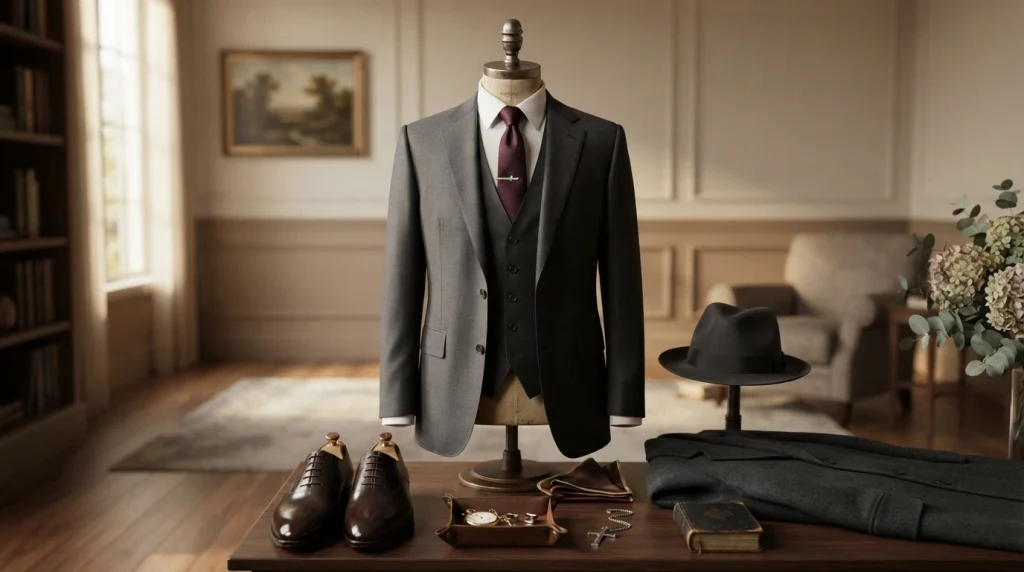
Synonyms for “Attire” by Tone
Selecting the appropriate term transforms your writing from flat to expressive.
Positive
- Finery: Suggests celebration, elegance, and joyful dressing up.
- Ensemble: Highlights sophisticated style, fashion expertise, and coordination.
- Sunday Best: Evokes warmth, family tradition, respect, and neatness.
Neutral
- Clothing: Serves as a clear, functional umbrella term for everything we wear.
- Apparel: Fits commercial, retail, and modern business contexts naturally.
- Wardrobe: Focuses on a person’s entire clothing collection objectively.
Negative
- Getup: Implies that an outfit looks strange, ridiculous, or silly.
- Trappings: Suggests superficial status symbols or empty surface displays.
- Rig: Implies bulky, heavy, or restrictive functional work clothing.
“Attire” vs Close Alternatives
| Term | Meaning Difference | Tone Difference | When to Use |
| Attire | General clothing selected for a formal event, office, or standard. | Formal / Refined | Corporate policies, event invitations, business guides. |
| Apparel | Commercial clothing produced, marketed, or sold in retail stores. | Business / Industry | E-commerce sites, fashion manufacturing, trade reports. |
| Outfit | A complete, single set of matching clothes worn together for the day. | Casual / Modern | Daily conversations, personal fashion blogs, social media posts. |
How “Attire” Changes by Context
Daily Conversation
In everyday speech, using the word attire feels overly stiff. Instead, native speakers naturally prefer words like outfit, clothes, or threads.
- Example: “I really love your outfit today. Where did you buy it?”
Writing or Blogging
Bloggers and lifestyle content creators use descriptive synonyms to bring color to their articles. Furthermore, words like ensemble and finery make fashion posts far more engaging.
- Example: “She stepped onto the red carpet in a breathtaking silk ensemble.”
Professional or Academic Tone
Corporate offices, legal documents, and academic research demand formal language. Consequently, terms like attire, apparel, or garments are ideal for maintaining authority.
- Example: “Employees must maintain professional business attire during office hours.”
Creative or Informal Use
Storytellers and fiction writers pick evocative terms to paint vivid visual pictures. Therefore, they lean toward literary options like garb, raiment, or regalia.
- Example: “The mysterious traveler arrived wrapped in dark, weathered garb.”
Common Mistakes Learners Make
Misuse Scenarios & Confusing Tone
- Using Attire for Casual Clothes: Calling your gym shorts and t-shirt “business attire” creates confusion because the word implies formal standards.
- Overusing Getup in Professional Contexts: Telling your boss that you like her “getup” sounds disrespectful, as the word implies an odd costume.
- Confusing Apparel with Accessory: Apparel refers to core garments, whereas accessories mean items like bags, belts, and jewelry.
Register Notes
In written English, aligning your vocabulary with the occasion is essential for clear communication:
- Use attire, apparel, or garments in formal essays, corporate manuals, and business emails.
- Use outfit, clothes, or duds when chatting casually, texting friends, or writing informal social posts.
If you want to refine your vocabulary further, explore our guide on formal workplace communication for additional tips.
Real-Life Examples Using “Attire”
Workplace
HR issued a reminder stating that business casual attire is required from Monday through Thursday. Additionally, proper workplace clothing ensures a professional atmosphere for clients.
Social Situations
Guests arrived at the wedding wearing their finest holiday finery. Furthermore, everyone complimented the bride’s stunning lace ensemble.
Media / Pop Culture
Red carpet commentators analyzed every celebrity outfit during the awards show. Consequently, fashion magazines praised the stars who wore custom designer apparel.
Interactive Practice Quiz
Test your understanding of these synonyms by selecting the best word for each real-life scenario.
- Which word best fits an official corporate employee handbook describing dress codes?
- A) Getup
- B) Attire
- C) Duds
- D) Threads
- A fashion magazine describing a perfectly matched designer outfit would likely use:
- A) Rig
- B) Ensemble
- C) Trappings
- D) Vestments
- Which term refers to specialized clothes worn by clergy during religious services?
- A) Activewear
- B) Vestments
- C) Streetwear
- D) Casuals
- If you want to playfully make fun of a friend’s weird costume, you might call it a:
- A) Apparel
- B) Getup
- C) Attire
- D) Garment
- Which word fits best in an e-commerce store catalog selling manufactured clothes?
- A) Raiment
- B) Apparel
- C) Regalia
- D) Habit
- “He put on his comfortable home __________ as soon as he got back from work.”
- A) Regalia
- B) Finery
- C) Duds
- D) Vestment
- A king wearing traditional crowns and ceremonial robes is wearing full:
- A) Regalia
- B) Activewear
- C) Workwear
- D) Streetwear
- Which synonym specifically describes heavy protection worn by firefighters?
- A) Ensemble
- B) Rig
- C) Finery
- D) Toilette
- An ancient story describing a princess in golden robes might use the poetic word:
- A) Apparel
- B) Raiment
- C) Outerwear
- D) Workwear
- Which word is best for describing a complete set of clothes you wear on a normal day?
- A) Outfit
- B) Vestment
- C) Livery
- D) Habit
Application Task
Write one short sentence describing what you wear to a formal celebration using one synonym from today’s lesson (e.g., ensemble, finery, or attire).
Answer Key:
1: B | 2: B | 3: B | 4: B | 5: B | 6: C | 7: A | 8: B | 9: B | 10: A
Frequently Asked Questions
What is the most formal synonym for attire in business writing?
The word apparel or professional dress serves as the most effective formal alternative in corporate settings. Additionally, HR departments use business attire to outline explicit clothing standards in official employee policy handbooks.
How do I choose between attire and outfit?
Use attire when referring to general clothing required for a formal standard, corporate dress code, or official event. Conversely, choose outfit when describing a specific, single set of clothes chosen for daily wear.
Is apparel the same thing as clothing?
Yes, but apparel carries a commercial, retail tone used by fashion manufacturers and businesses. In contrast, clothing is a broader, everyday word that covers anything people wear for basic protection and warmth.
What is a casual slang synonym for attire?
Popular casual slang synonyms for attire include threads and duds. Furthermore, people often use the word getup when referring to an unusual, flashy, or humorous combination of clothes.
Why is using synonyms for attire important in fashion writing?
Using varied synonyms prevents repetitive writing and keeps content visually engaging for readers. Moreover, incorporating rich semantic alternatives helps search engines better understand your content, boosting overall SEO performance.
Conclusion
Expanding your English vocabulary unlocks endless possibilities for clear, persuasive, and engaging writing with Synonym for Attire.
Learning fresh synonyms transforms repetitive drafts into polished, high-impact content across every project, while Synonym for Attire helps you choose more precise words.
When you master subtle tone variations, your emails, essays, and blog posts stand out with elegance, making Synonym for Attire a useful resource for refined writing.
Sawera Rani is the founder and content creator behind VocabularyFinder.com, a platform designed to help learners improve their English vocabulary simply and effectively. With a passion for language learning, Sawera Rani creates easy-to-understand vocabulary guides, word meanings, definitions, and practical examples that make learning new words easier. She aims to provide useful and reliable resources for students, professionals, and English learners who want to improve their communication skills. Through VocabularyFinder.com, she focuses on making vocabulary learning more accessible, engaging, and helpful for everyday use.