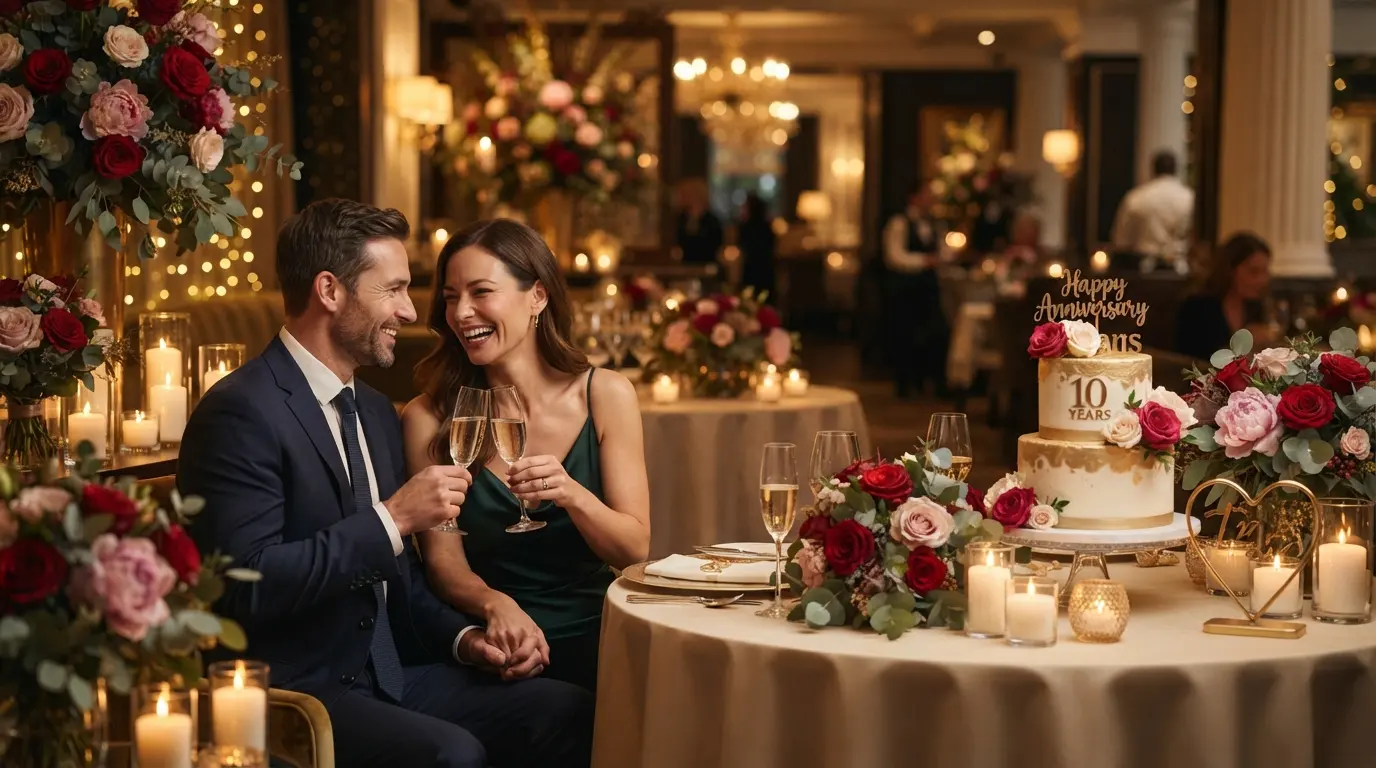
Finding the right synonym for anniversary helps you celebrate milestones with fresh language. Using the same phrase repeatedly gets boring fast.
Imagine writing a heartwarming tribute or an engaging blog post about a couple’s major milestone. Choosing a rich synonym for anniversary transforms plain text into something memorable.
Learning a new synonym for anniversary builds your confidence as a communicator. It gives bloggers, students, and content creators a much wider range of expression.
What Does “Anniversary” Really Mean?
An anniversary is the yearly return of a significant past event. Native English speakers associate it with celebration, reflection, and deep personal memory. You will usually spot it in news stories, family cards, and corporate milestones.
Part of Speech: Noun
Definition: The date on which an event took place in a previous year.
Connotative Meaning
Words carry emotional weight that shapes how people feel when reading them. (Connotation refers to the emotional associations or cultural feelings a word carries beyond its explicit definition).
- Positive Tone: Signals love, achievement, survival, victory, or joy over time.
- Negative Tone: Marks tragic losses, historical solemnity, or sad historical events.
- Neutral Tone: Marks a calendar date or a recurring annual measure.
Etymology
The word comes from the Latin term anniversarius. It combines annus (meaning year) and vertere (meaning to turn). It literally translates to “returning yearly.”
- Old English (450–1100): The concept existed through native Germanic terms like yearday.
- Middle English (1100–1500): Adapted from Anglo-French as anniversarie, mainly for solemn religious observances.
- Modern English (1500–Present): Expanded to cover joyful celebrations, business milestones, and personal events.
Pronunciation (US & UK)
- US: /ˌæn.əˈvɝː.sɚ.i/
- UK: /ˌæn.ɪˈvɜː.sər.i/
Syllables
an-ni-ver-sa-ry
Affixation Pattern
- Root: vers (to turn)
- Prefix: anni- (derived from annus, year)
- Suffix: -ary (forming an adjective or noun denoting relationship)
Synonyms List
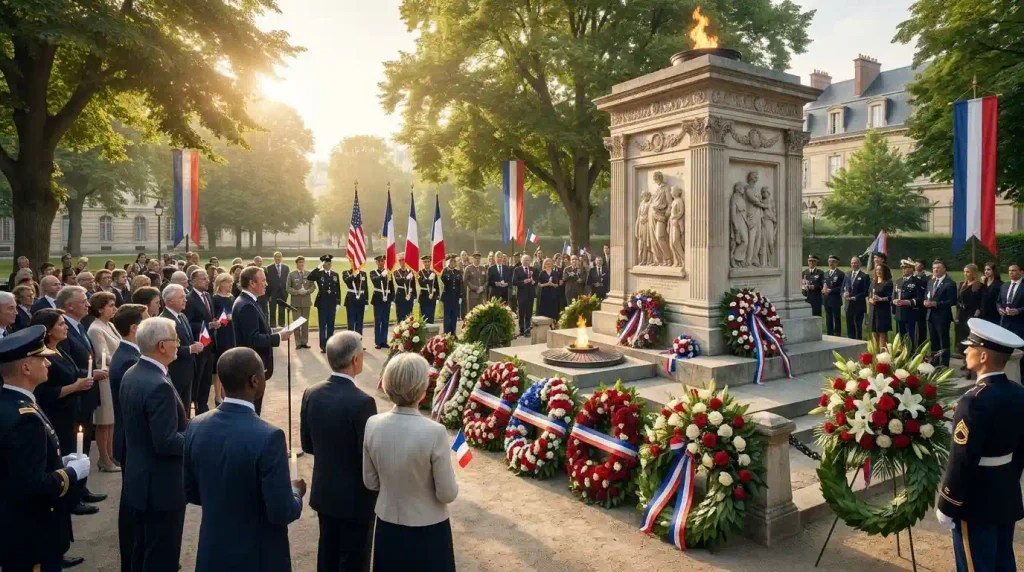
Commemoration (Noun) — US: /kəˌmem.əˈreɪ.ʃən/ | UK: /kəˌmem.əˈreɪ.ʃən/
Meaning: A ceremonial recognition designed to honor and preserve the memory of an event.
Tone/Register: Formal, Academic, Respectful.
Example:
The city held a moving commemoration for the fallen soldiers.
Everyone gathered at the town square to observe the quiet honor.
Jubilee (Noun) — US: /ˈdʒuː.bə.liː/ | UK: /ˈdʒuː.bəl.iː/
Meaning: A special anniversary marking a significant, joyful milestone like 25 or 50 years.
Tone/Register: Formal, Festive, Celebratory.
Example:
The company celebrated its silver jubilee with a massive gala.
Employees toasted to twenty-five years of shared success.
Milestone (Noun) — US: /ˈmaɪl.stoʊn/ | UK: /ˈmaɪl.stəʊn/
Meaning: An important event or turning point in history, development, or personal life.
Tone/Register: Business, General, Positive.
Example:
Reaching ten million subscribers was a major milestone for her channel.
The team took a moment to reflect on their hard work.
Celebration (Noun) — US: /ˌsel.əˈbreɪ.ʃən/ | UK: /ˌsel.ɪˈbreɪ.ʃən/
Meaning: A joyful social gathering organized to mark a happy occasion.
Tone/Register: Informal, General, Enthusiastic.
Example:
We hosted a backyard celebration for my grandparents’ special day.
Music and laughter filled the air all night long.
Remembrance (Noun) — US: /rɪˈmem.brəns/ | UK: /rɪˈmem.brəns/
Meaning: The act of remembering or honoring the memory of a person or past event.
Tone/Register: Formal, Somber, Reflective.
Example:
They kept a quiet moment of remembrance on the disaster’s anniversary.
Citizens laid fresh flowers at the memorial site.
Observance (Noun) — US: /əbˈzɝː.vəns/ | UK: /əbˈzɜː.vəns/
Meaning: The practice of fulfilling or honoring a custom, holiday, or historical date.
Tone/Register: Formal, Official, Traditional.
Example:
The annual observance of the holiday takes place every October.
Offices remain closed so people can mark the day properly.
Festival (Noun) — US: /ˈfes.tə.vəl/ | UK: /ˈfes.tɪ.vəl/
Meaning: A period or program of festive activities, cultural events, or anniversaries.
Tone/Register: General, Casual, Cultural.
Example:
The town hosts a summer festival every year to celebrate its founding.
Street vendors line the main avenue with food and crafts.
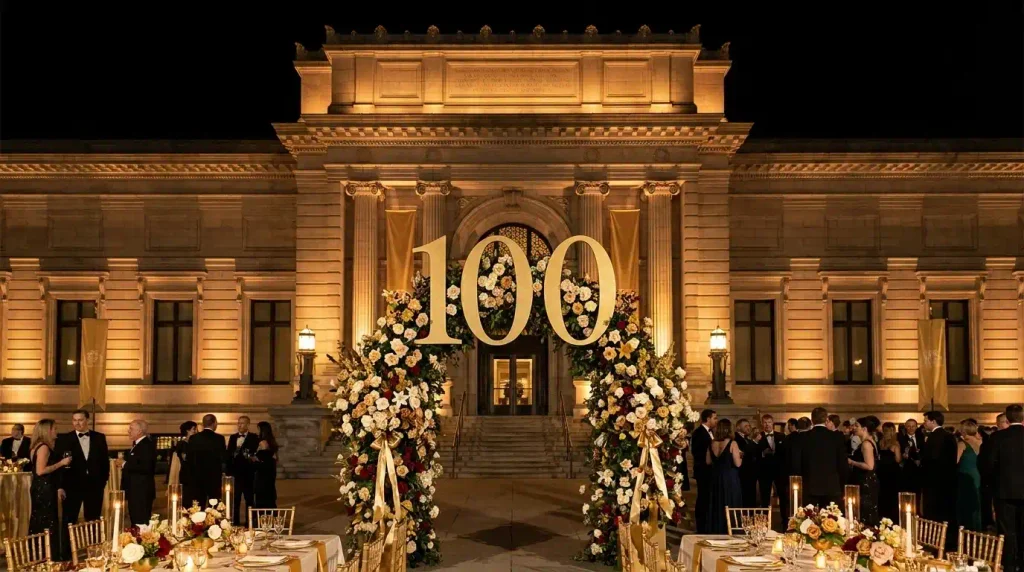
Centenary (Noun) — US: /senˈten.ə.ri/ | UK: /senˈtiː.nər.i/
Meaning: The hundredth anniversary of a significant event or building.
Tone/Register: Formal, Historical, Academic.
Example:
The university published a special book for its centenary.
Scholars gathered to review a hundred years of academic progress.
Bicentennial (Noun) — US: /ˌbaɪ.senˈten.i.əl/ | UK: /ˌbaɪ.senˈten.i.əl/
Meaning: The two-hundredth anniversary of a historical event or national founding.
Tone/Register: Formal, Historical, Governmental.
Example:
The nation pulled out all the stops for its bicentennial parade.
Fireworks lit up the harbor sky at midnight.
Memorial (Noun) — US: /məˈmɔːr.i.əl/ | UK: /məˈmɔː.ri.əl/
Meaning: Something established to serve as a lasting remembrance of a person or event.
Tone/Register: Formal, Respectful, Somber.
Example:
The town built a stone memorial to honor the founders.
Visitors leave wreaths near the inscribed names every autumn.
Tribute (Noun) — US: /ˈtrɪb.juːt/ | UK: /ˈtrɪb.juːt/
Meaning: An act, statement, or gift intended to show gratitude, respect, or admiration.
Tone/Register: Warm, Formal, Expressive.
Example:
He delivered a moving tribute to his parents on their wedding date.
The crowd stood up and applauded his heartfelt words.
Red-Letter Day (Noun) — US: /ˌredˈlet̬.ɚ ˌdeɪ/ | UK: /ˌredˈlet.ər ˌdeɪ/
Meaning: A pleasantly noteworthy or memorable day in a person’s life.
Tone/Register: Idiomatic, Informal, Conversational.
Example:
Winning the award made yesterday a total red-letter day for him.
He marked the calendar with a big red circle to remember it.
Yearday (Noun) — US: /ˈjɪr.deɪ/ | UK: /ˈjɪə.deɪ/
Meaning: An archaic term referring to the day on which an annual event occurs.
Tone/Register: Literary, Archaic, Historical.
Example:
The ancient chronicle mentions the sovereign’s yearday celebration.
Historians analyzed the old manuscript for further context.
Turn (Noun) — US: /tɝːn/ | UK: /tɜːn/
Meaning: The completion of a full cycle or year of time.
Tone/Register: Literary, Informal, Descriptive.
Example:
With the turn of the year, they looked back on their journey.
The company grew steadily through each annual cycle.
Holiday (Noun) — US: /ˈhɑː.lə.deɪ/ | UK: /ˈhɒl.ə.deɪ/
Meaning: A day marked by general celebration or custom, often honoring a historical event.
Tone/Register: General, Casual, Common.
Example:
Our state created a new holiday to honor the founder’s legacy.
Families spend the day together enjoying outdoor activities.
Ceremony (Noun) — US: /ˈser.ə.moʊ.ni/ | UK: /ˈser.ɪ.mə.ni/
Meaning: A formal religious or public occasion celebrating a particular event or anniversary.
Tone/Register: Formal, Official.
Example:
The award ceremony honored forty years of outstanding service.
Distinguished guests sat in the grand auditorium.
Festivity (Noun) — US: /fesˈtɪv.ə.t̬i/ | UK: /fesˈtɪv.ə.ti/
Meaning: Joyful activities or celebrations connected to a special occasion or date.
Tone/Register: Enthusiastic, Casual.
Example:
The holiday festivity brought the entire neighborhood together.
Decorations lit up every street corner.
Gala (Noun) — US: /ˈɡeɪ.lə/ | UK: /ˈɡɑː.lə/
Meaning: A festive celebration or lavish special event honoring a milestone.
Tone/Register: Formal, High-Society.
Example:
The charity hosted an annual gala to celebrate its progress.
Guests dressed in beautiful evening attire.
Feast (Noun) — US: /fiːst/ | UK: /fiːst/
Meaning: A large meal or festival honoring a specific date, saint, or historical event.
Tone/Register: Cultural, Religious, Traditional.
Example:
Villagers gathered for the annual feast of their town patron.
Tables groaned under the weight of delicious food.
Rite (Noun) — US: /raɪt/ | UK: /raɪt/
Meaning: A solemn or religious ceremony performed according to social custom.
Tone/Register: Formal, Academic, Spiritual.
Example:
The ancient rite marked the seasonal cycle for the community.
Elders led the traditional chants.
Solemnity (Noun) — US: /səˈlem.nə.t̬i/ | UK: /səˈlem.nə.ti/
Meaning: A serious, dignified rite or formal observance of an event.
Tone/Register: Highly Formal, Somber.
Example:
The state observed the day with deep solemnity and quiet respect.
Flags flew at half-mast across the capital.
Celebration Date (Noun) — US: /ˌsel.əˈbreɪ.ʃən deɪt/ | UK: /ˌsel.ɪˈbreɪ.ʃən deɪt/
Meaning: The precise calendar date set aside to celebrate a specific past event.
Tone/Register: Functional, Plain, Direct.
Example:
Please mark the upcoming celebration date on your personal calendar.
We plan to send invitations out early next week.
Golden Jubilee (Noun) — US: /ˌɡoʊl.dən ˈdʒuː.bə.liː/ | UK: /ˌɡəʊl.dən ˈdʒuː.bəl.iː/
Meaning: The fiftieth anniversary of a major historical or personal event.
Tone/Register: Grand, Formal, Celebratory.
Example:
The institution reached its golden jubilee after fifty successful years.
Alumni traveled from around the world to attend.
Silver Jubilee (Noun) — US: /ˌsɪl.vɚ ˈdʒuː.bə.liː/ | UK: /ˌsɪl.və ˈdʒuː.bəl.iː/
Meaning: The twenty-fifth anniversary of a significant achievement or event.
Tone/Register: Formal, Respectful, Joyful.
Example:
They toasted to their silver jubilee during a family dinner.
Twenty-five years of partnership deserved a memorable toast.
Diamond Jubilee (Noun) — US: /ˌdaɪ.mənd ˈdʒuː.bə.liː/ | UK: /ˌdaɪ.mənd ˈdʒuː.bəl.iː/
Meaning: The sixtieth or seventy-fifth anniversary of an event.
Tone/Register: Extremely Formal, Historic.
Example:
The monarch celebrated her diamond jubilee with nationwide parades.
Millions tuned in to watch the live broadcast.
Sesquicentennial (Noun) — US: /ˌses.kwɪ.senˈten.i.əl/ | UK: /ˌses.kwɪ.senˈten.i.əl/
Meaning: The one-hundred-and-fiftieth anniversary of a significant event.
Tone/Register: Academic, Historical, Formal.
Example:
The city marked its sesquicentennial with historical re-enactments.
Local museums displayed artifacts from 150 years ago.
Tercentenary (Noun) — US: /ˌtɝː.senˈten.ɚ.i/ | UK: /ˌtɜː.senˈtiː.nər.i/
Meaning: The three-hundredth anniversary of an event.
Tone/Register: Academic, Formal, Rare.
Example:
Scholars gathered for the library’s tercentenary symposium.
Three centuries of knowledge were honorably highlighted.
Quasquicentennial (Noun) — US: /ˌkwɑː.swɪ.senˈten.i.əl/ | UK: /ˌkwɒs.wɪ.senˈten.i.əl/
Meaning: The one-hundred-and-twenty-fifth anniversary of an event.
Tone/Register: Highly Academic, Technical.
Example:
The college commemorated its quasquicentennial with a new campus wing.
Students celebrated 125 years of educational history.
Millennium (Noun) — US: /mɪˈlen.i.əm/ | UK: /mɪˈlen.i.əm/
Meaning: A thousandth anniversary or a period of one thousand years.
Tone/Register: Grand, Historical, Formal.
Example:
The town marked its millennium of recorded historical existence.
Monuments were erected to stand for the next thousand years.
Recurrence (Noun) — US: /rɪˈkɝː.əns/ | UK: /rɪˈkʌr.əns/
Meaning: The act or fact of an event happening again on a regular cycle.
Tone/Register: Technical, Neutral, Analytical.
Example:
The annual recurrence of the date brings reflective memories.
We note its appearance on the calendar each season.
Return (Noun) — US: /rɪˈtɝːn/ | UK: /rɪˈtɜːn/
Meaning: The arrival of a specific day or date in a recurring cycle.
Tone/Register: Poetic, General, Literary.
Example:
With the return of May, they remembered their vows.
Spring brought back memories of that happy day.
Memorial Day (Noun) — US: /məˈmɔːr.i.əl deɪ/ | UK: /məˈmɒr.i.əl deɪ/
Meaning: A day set aside annually to remember past people or historic events.
Tone/Register: Formal, Civic, Respectful.
Example:
The community gathered on their founder’s memorial day.
Wreaths were laid at the center of the plaza.
Foundation Day (Noun) — US: /faʊnˈdeɪ.ʃən deɪ/ | UK: /faʊnˈdeɪ.ʃən deɪ/
Meaning: The annual date celebrating the establishment of an organization or state.
Tone/Register: Corporate, Official, Institutional.
Example:
Employees receive a day off for the firm’s foundation day.
The CEO gave a speech on company vision.
Jubilee Year (Noun) — US: /ˈdʒuː.bə.liː jɪr/ | UK: /ˈdʒuː.bəl.iː jɪə/
Meaning: A designated year of celebration marking a major milestone.
Tone/Register: Formal, Religious, Historical.
Example:
The church declared a special jubilee year for its congregation.
Pilgrims visited from all across the continent.
Special Day (Noun) — US: /ˌspeʃ.əl ˈdeɪ/ | UK: /ˌspeʃ.əl ˈdeɪ/
Meaning: An informal, warm phrase for an important personal date.
Tone/Register: Casual, Personal, Warm.
Example:
I hope you enjoy every minute of your special day!
Friends sent cakes and cheerful birthday wishes.
Big Day (Noun) — US: /ˌbɪɡ ˈdeɪ/ | UK: /ˌbɪɡ ˈdeɪ/
Meaning: A highly memorable or significant date in someone’s life.
Tone/Register: Informal, Conversational.
Example:
Tomorrow is the big day for their wedding celebration.
Everyone is busy making the final arrangements.
Epoch (Noun) — US: /ˈep.ək/ | UK: /ˈiː.pɒk/
Meaning: A notable period marking the start of a new era or major date.
Tone/Register: Literary, Grand, Academic.
Example:
Their merger marked a new epoch in company history.
The date set a precedent for future success.
Benchmark (Noun) — US: /ˈbentʃ.mɑːrk/ | UK: /ˈbentʃ.mɑːk/
Meaning: A point of reference against which progress over time is measured.
Tone/Register: Business, Analytical, Modern.
Example:
Hitting ten years served as a benchmark for business growth.
The strategy yielded impressive quarterly results.
Historical Date (Noun) — US: /hɪˈstɔːr.ɪ.kəl deɪt/ | UK: /hɪˈstɒr.ɪ.kəl deɪt/
Meaning: A specific calendar date associated with a past event of significance.
Tone/Register: Neutral, Educational.
Example:
July 4th remains a key historical date for the nation.
Textbooks document the event in great detail.
Honor Day (Noun) — US: /ˈɑː.nɚ deɪ/ | UK: /ˈɒn.ər deɪ/
Meaning: A designated date used to give formal praise or respect to someone.
Tone/Register: Formal, Respectful.
Example:
The university hosted an honor day for retiring professors.
Certificates of achievement were handed out.
Remembrance Date (Noun) — US: /rɪˈmem.brəns deɪt/ | UK: /rɪˈmem.brəns deɪt/
Meaning: An annual date dedicated to quiet reflection or memorializing the past.
Tone/Register: Somber, Serious, Respectful.
Example:
The museum holds a free tour on the remembrance date.
Visitors learn about the town’s early history.
Marker (Noun) — US: /ˈmɑːr.kɚ/ | UK: /ˈmɑː.kər/
Meaning: An event or date that indicates an important milestone or change.
Tone/Register: Informative, Concise.
Example:
Five years in business is a solid marker of stability.
The team celebrated with an informal lunch.
Turn of the Year (Noun) — US: /tɝːn əv ðə jɪr/ | UK: /tɜːn əv ðə jɪə/
Meaning: The recurring period when one full year ends and another begins.
Tone/Register: Descriptive, Literary.
Example:
At the turn of the year, we reflect on our goals.
Families gather to share hopes for the future.
Commemorative Day (Noun) — US: /kəˈmem.ə.rə.t̬ɪv deɪ/ | UK: /kəˈmem.ər.ə.tɪv deɪ/
Meaning: An official day assigned to honor a historical event or person.
Tone/Register: Official, Institutional.
Example:
The mayor proclaimed a commemorative day for local heroes.
Parades took place down Main Street.
Party (Noun) — US: /ˈpɑːr.t̬i/ | UK: /ˈpɑː.ti/
Meaning: A social gathering of guests for celebration and fun.
Tone/Register: Casual, Popular, Informal.
Example:
They threw a huge party to mark the company’s decade of work.
Guests enjoyed music, food, and dancing.
Synonyms by Tone
Positive
- Jubilee: Suggests grand, happy milestones.
- Celebration: Brings a sense of joy and social gathering.
- Red-letter day: Highlights personal happiness and excitement.
- Festivity: Energetic, fun gatherings.
Neutral
- Milestone: Focuses on progress without heavy emotion.
- Observance: Refers objectively to custom or calendar dates.
- Centenary: Acts as a precise historical marker for 100 years.
- Recurrence: Plain, analytical reference to time.
Negative or Somber
- Commemoration: Fits respectful, serious honors.
- Remembrance: Focuses on quiet memory and past loss.
- Memorial: Centers on honor, loss, and historical tragedy.
- Solemnity: Deep, serious respect.
Playful / Informal
- Red-letter day: Energetic and casual idiom for bright days.
- Big Day: Conversational term for exciting events.
- Party: Very informal gathering phrase.
Tone matters because using a festive term like jubilee for a tragic historical date creates an insensitive tone clash.
“Anniversary” vs. Close Alternatives
| Term | Core Focus | Tone | Best Usage Scenario |
| Anniversary | Exact yearly date marker | Neutral to Warm | Personal milestones, marriages, annual dates |
| Jubilee | Major, joyful milestone (e.g., 25th) | Highly Formal & Festive | High-level corporate, royal, or organizational dates |
| Commemoration | Honor and reflection | Formal & Respectful | Historical events, honoring lost figures, quiet memorials |
How “Anniversary” Changes by Context
Daily Conversation
In casual talk, people stick to anniversary or simple terms like celebration. For instance, “We are throwing a dinner party for our parents’ anniversary!”
Writing or Blogging
Bloggers frequently swap in milestone or red-letter day to keep headlines fresh. This keeps readers engaged without relying on tired phrasing.
Professional or Academic Tone
Corporate reports prefer jubilee, centenary, or observance. For example, “The board announced a corporate gala for the company’s silver jubilee.”
Creative or Informal Use
Novelists might use yearday or the turn of the season to evoke atmosphere. This adds rich, evocative texture to fictional settings.
Common Mistakes & Native Usage
- Calling every party an anniversary: An anniversary must mark an annual return of a date, not just any monthly milestone.
- Misusing “Jubilee”: Do not use jubilee for standard, yearly dates. Native speakers reserve it for major milestones like 25, 50, or 60 years.
- Ignoring emotional tone: Avoid using celebration when referring to solemn historical tragedies; choose remembrance instead.
(Interested in expanding your descriptive repertoire further? Check out our complete guide on vocabulary development for writers).
Real-Life Mini Scenarios
- Workplace: A firm celebrates ten years in business by announcing its “decade milestone” to investors.
- Social Situations: Friends toast to a couple’s “red-letter day” at a dinner party.
- Media & Pop Culture: News outlets cover the “centenary” of a famous historical event.
- Writing & Storytelling: An author describes a protagonist honoring a quiet “day of remembrance.”
Interactive Practice Quiz
Scenario-Based Multiple-Choice Questions
1. Which synonym fits best for a company celebrating 50 years in business?
- A) Remembrance
- B) Golden Jubilee
- C) Memorial
- D) Turn
2. Select the word that carries a somber tone suited for honoring a tragedy.
- A) Celebration
- B) Red-letter day
- C) Commemoration
- D) Festival
3. What is the root word of “anniversary”?
- A) Ann
- B) Vers
- C) Ary
- D) Sary
4. Which term represents a 100th-year milestone?
- A) Centenary
- B) Bicentennial
- C) Jubilee
- D) Observance
5. Which sentence uses “milestone” correctly?
- A) We ate a delicious milestone for dinner.
- B) She wore a beautiful milestone to the party.
- C) Hitting one million sales was a massive milestone.
- D) They drove the milestone down the street.
6. What tone does “red-letter day” convey?
- A) Somber and academic
- B) Informal and joyful
- C) Cold and distant
- D) Negative and critical
7. Why is “jubilee” inappropriate for a 2nd wedding anniversary?
- A) It is only used for sad events.
- B) It is reserved for major long-term milestones.
- C) It is a prefix, not a noun.
- D) It means a 1000-year cycle.
8. Which word best fits an official state holiday honoring history?
- A) Yearday
- B) Observance
- C) Turn
- D) Red-letter day
9. Choose the best option: “The town built a stone _____ to honor the soldiers.”
- A) Jubilee
- B) Memorial
- C) Bicentennial
- D) Turn
10. What does the Latin prefix anni- mean?
- A) To turn
- B) Year
- C) Honor
- D) Life
11. Which term is considered archaic or historical?
- A) Festival
- B) Yearday
- C) Milestone
- D) Tribute
12. “Bicentennial” marks how many years?
- A) 50
- B) 100
- C) 200
- D) 500
Reflection & Application Task
Write one short sentence using the word commemoration to describe a community event.
Answer Key
1: B | 2: C | 3: B | 4: A | 5: C | 6: B | 7: B | 8: B | 9: B | 10: B | 11: B | 12: C
Frequently Asked Questions
1. What is the best formal synonym for anniversary in business writing?
The term “milestone” or “observance” works best in professional contexts. For major annual milestones, such as 25 or 50 years, use “jubilee.” These terms maintain a polished, highly authoritative tone suitable for corporate reports, executive announcements, and formal press releases without sounding overly casual or personal.
2. Can I use the word “jubilee” for any anniversary?
No, native speakers reserve “jubilee” for significant, major milestones like 25th (silver), 50th (golden), or 60th (diamond) anniversaries. Using it for minor, annual dates like a first or second anniversary sounds unnatural. Instead, opt for terms like “milestone,” “celebration,” or simply “anniversary” for standard yearly events.
3. What is a good word for a somber anniversary?
For sad or serious annual dates, terms like “commemoration,” “remembrance,” or “memorial” are ideal. Words like “celebration” or “jubilee” carry a joyful tone and should be strictly avoided in solemn contexts. “Commemoration” respects the gravity of historical events, tragic losses, or solemn honor ceremonies.
4. Is “red-letter day” an accurate substitute for an anniversary?
Yes, “red-letter day” is a great idiomatic substitute when you want to highlight a joyful, memorable date. While it does not strictly mean a yearly recurring event, people frequently use it informally to mark happy personal anniversaries, memorable achievements, or special dates on the calendar.
5. What is the difference between a centenary and a bicentennial?
A “centenary” marks a 100th anniversary, whereas a “bicentennial” specifically marks a 200th anniversary. Both words serve as highly formal historical terms used by institutions, governments, and universities to honor major long-term historical milestones, founding dates, or significant historical events.
Conclusion
Choosing a suitable synonym for anniversary allows you to convey emotions precisely when marking significant yearly events. Expanding your word choices brings warmth, authority, and varied tone to both written and spoken communication.
When you master a fitting synonym for anniversary, your essays, business announcements, and personal letters become far more captivating. Moving past repetitive words gives your vocabulary a noticeable, professional boost.
We encourage you to practice using a new synonym for anniversary in your next journal entry, blog post, or family message. Continual practice ensures natural expression comes effortlessly over time.

Sawera Rani is the founder and content creator behind VocabularyFinder.com, a platform designed to help learners improve their English vocabulary simply and effectively. With a passion for language learning, Sawera Rani creates easy-to-understand vocabulary guides, word meanings, definitions, and practical examples that make learning new words easier. She aims to provide useful and reliable resources for students, professionals, and English learners who want to improve their communication skills. Through VocabularyFinder.com, she focuses on making vocabulary learning more accessible, engaging, and helpful for everyday use.